Fuel Price Increase Triggers Warning to Rwandan Traders
Ministry of Trade and Industry has warned traders against raising prices of goods without justification following an (…)

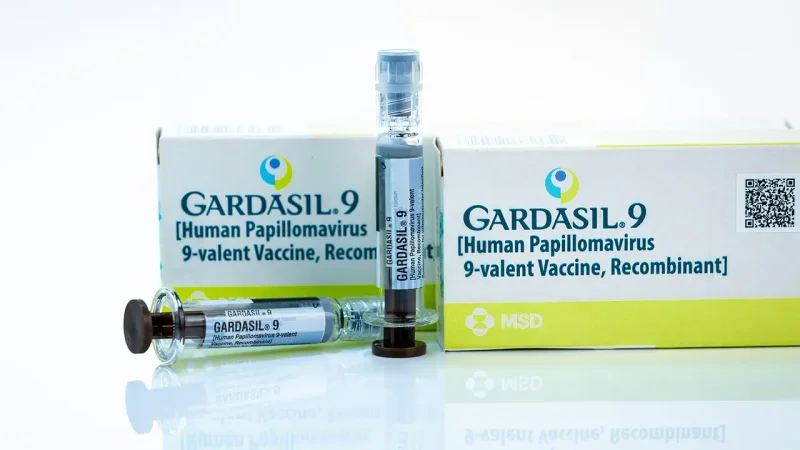
Rwanda is preparing to introduce a new and more comprehensive vaccine against the human papillomavirus (HPV), a major cause of cervical cancer, as part of its push to eliminate the disease by 2027, health officials said.
The vaccine, known as Gardasil 9, protects against nine strains of HPV, including those most commonly linked to cervical cancer and other cancers of the reproductive system and throat. It offers broader protection than Gardasil 4, which Rwanda introduced into its national immunization program in 2011.
Health authorities say the rollout of Gardasil 9, expected later this year, will make Rwanda the first country in Africa to introduce the vaccine into its routine immunization program.
HPV is primarily transmitted through sexual contact, and some strains are known to cause cervical cancer as well as cancers of the vagina, penis, anus and throat. Cervical cancer remains one of the leading causes of cancer-related deaths among women globally, particularly in low- and middle-income countries.
Dr. Hassan Sibomana, head of vaccination programs at the Rwanda Biomedical Centre (RBC), said the move follows updated 2022 guidelines from the World Health Organization that recommend expanded HPV vaccination, including for adult women who missed earlier immunization campaigns.
“When Rwanda introduced the HPV vaccine in 2011, it targeted girls aged 9 to 14,” Sibomana said. “Many adult women were not covered. With the new guidance, we are now working to reach those who were missed.”
RBC plans to vaccinate women aged 29 to 35, depending on vaccine availability, with priority given to those considered at higher risk of HPV infection. Sibomana said the exact age limits will be guided by supply levels.
Studies conducted at Butaro Hospital and other health facilities in Rwanda found that Gardasil 4 does not protect against HPV type 45, which accounts for about 13.6% of cervical cancer cases in the country. Gardasil 9 includes protection against that strain, significantly improving coverage.
Although a single dose of Gardasil 9 costs about $330 on the international market, the vaccine will be provided free of charge at public health facilities in Rwanda, supported by government funding and development partners.
Health workers have not yet begun training on the new vaccine, as procurement and delivery are still underway. Training will begin once the vaccine arrives in the country, officials said.
Rwanda has been widely recognized for its early adoption of HPV vaccination and high coverage rates, and health officials say the introduction of Gardasil 9 marks a major step toward eliminating cervical cancer as a public health threat.

Ministry of Trade and Industry has warned traders against raising prices of goods without justification following an (…)

The vice president of the African Volleyball Confederation, Louis Rwakiranya, said there are no concerns about (…)
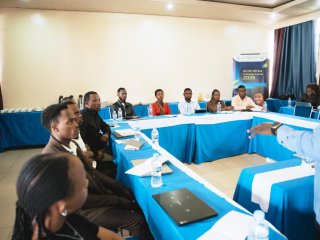
Heifer International Rwanda has taken 12 finalists in the AYuTE Africa Challenge 2026 into a four-day training (…)
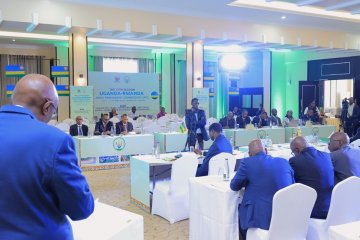
Rwanda and Uganda have reaffirmed their commitment to strengthening bilateral ties following a joint meeting held in (…)