
 RW
Police VC maintain unbeaten record as men’s and women’s teams lead Rwanda volleyball league
Police Volleyball Club continued their strong start to the 2026-27 Rwanda volleyball season, with both their men’s (…)

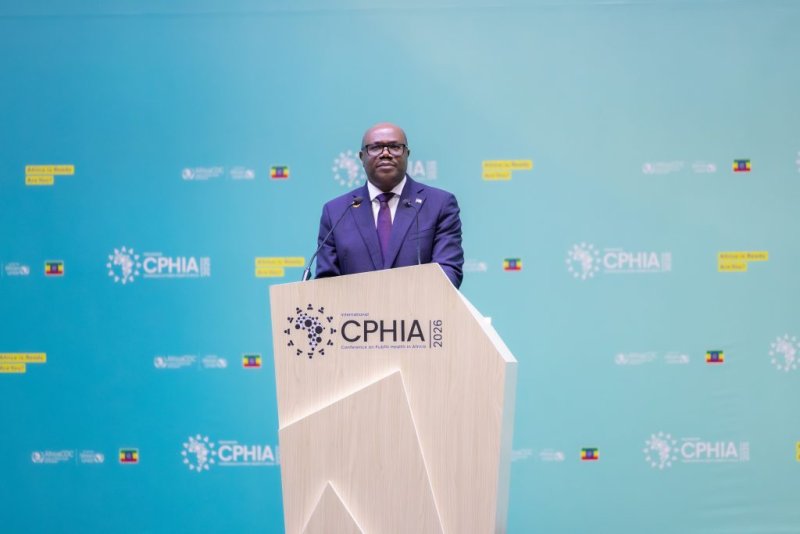
African countries should invest in disease surveillance, trained health workers and emergency response systems before outbreaks occur, rather than scrambling to build capacity after infections begin spreading, Rwanda’s Prime Minister Justin Nsengiyumva said.
Speaking at the fifth International Conference on Public Health in Africa in Addis Ababa on November 23, Nsengiyumva cited Rwanda’s response to the 2024 Marburg outbreak as an example of how existing health infrastructure can help contain an epidemic.
He said Rwanda was able to mobilise community health workers, laboratories, hospitals and disease surveillance systems that were already operating before the outbreak began.
During the response, community health workers screened more than 9.4 million people, according to a study published by researchers involved in Rwanda’s outbreak surveillance programme.
Rwanda recorded 66 confirmed Marburg cases and 15 deaths before declaring the outbreak over on December 20, 2024. The case fatality rate was approximately 23%, according to the World Health Organization.
Nsengiyumva said preparedness should be treated as a permanent part of national health systems, with regular funding for surveillance, testing, trained personnel and emergency response.
He also called for stronger cooperation between African countries, noting that infectious diseases do not respect national borders. He cited cooperation between Rwanda, Kenya and Uganda during the COVID-19 pandemic, when information-sharing helped the countries assess risks and coordinate responses.
The prime minister identified local production of medicines, vaccines and medical supplies as another priority, arguing that Africa cannot achieve health security while depending heavily on imports.
He urged governments to provide reliable markets for African pharmaceutical manufacturers and use joint procurement arrangements to increase demand for locally produced goods. He also called for international partnerships that include technology transfer and skills development.
Rwanda, he said, was committed to supporting the African Medicines Agency, which is headquartered in Kigali.
Nsengiyumva also challenged governments to measure progress by results rather than policy announcements. He said countries should track whether promised health funding is actually released, reaches healthcare facilities and improves services for patients.
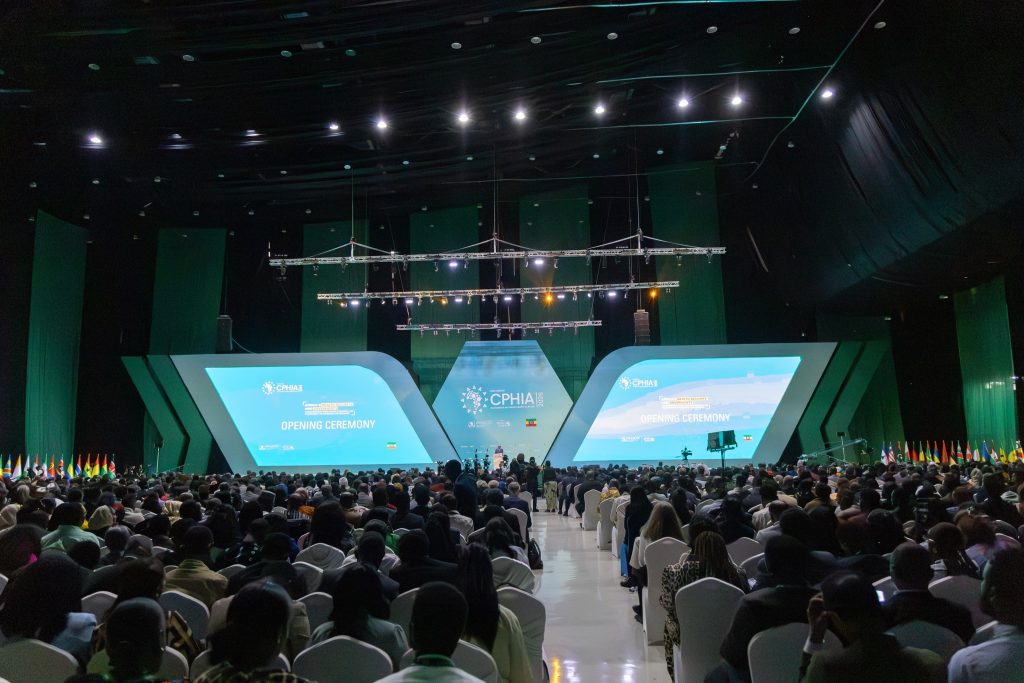
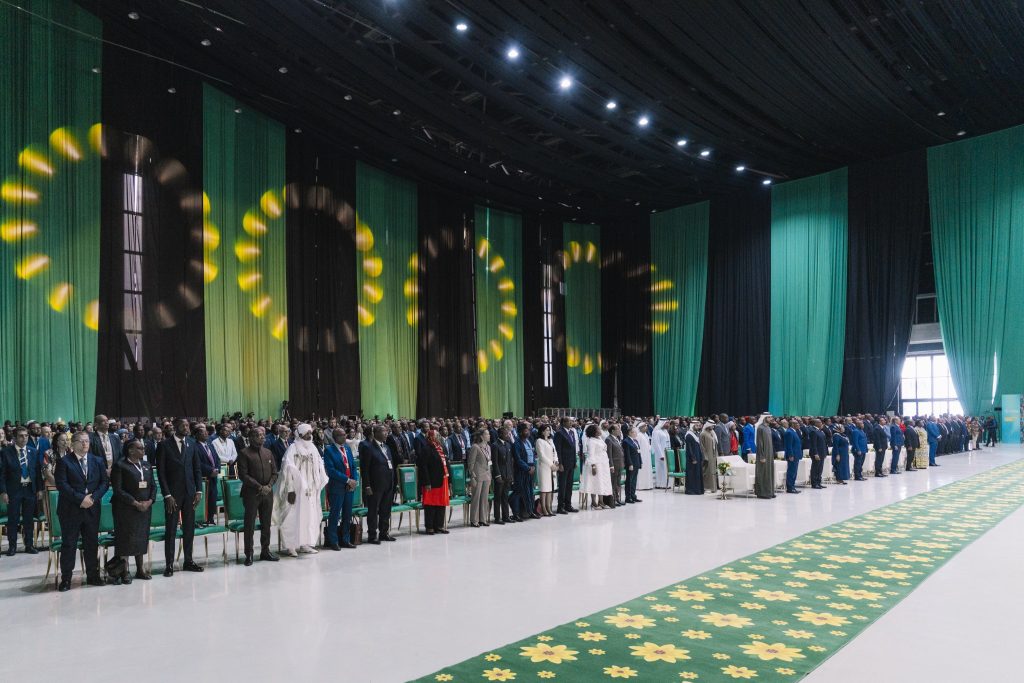
His remarks were delivered as African leaders and health officials gathered for CPHIA 2026, which runs until November 27 under the theme of strengthening the continent’s health security and sovereignty.

Police Volleyball Club continued their strong start to the 2026-27 Rwanda volleyball season, with both their men’s (…)

Malawian businesses seeking to expand into regional markets could gain access to wider investment networks through (…)
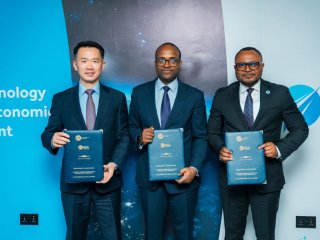
Rwanda has signed a partnership with Chinese space technology company STAR.VISION Aerospace to expand satellite (…)
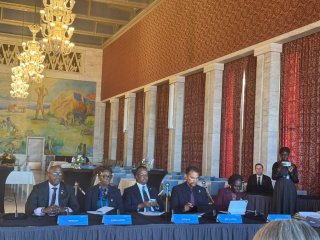
Rwanda’s Foreign Minister Olivier Nduhungirehe has called for greater African influence in international (…)