
 RW
Ukraine war and nuclear security on agenda as Trump meets Xi and Putin
The war in Ukraine and nuclear arms control featured on the agenda as US President Donald Trump met Chinese (…)
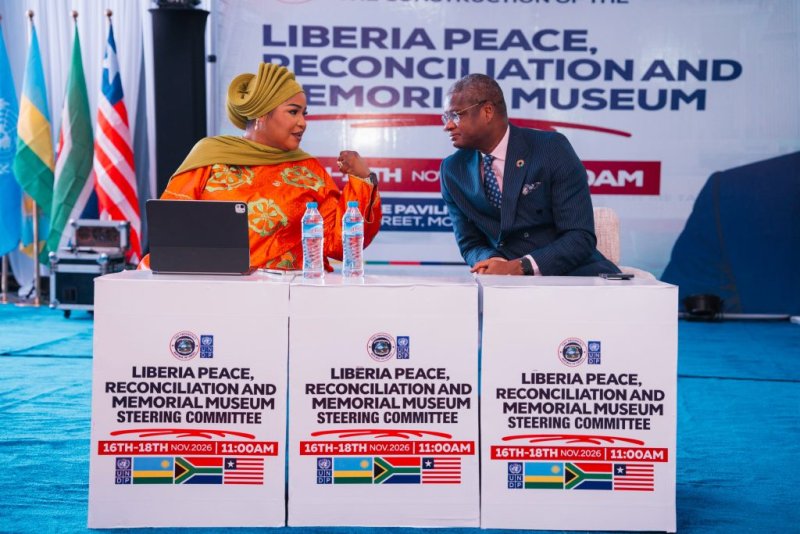
Liberia is moving ahead with plans to establish a national peace and reconciliation museum, drawing on experiences from Rwanda and South Africa to preserve its civil war history and promote national healing.
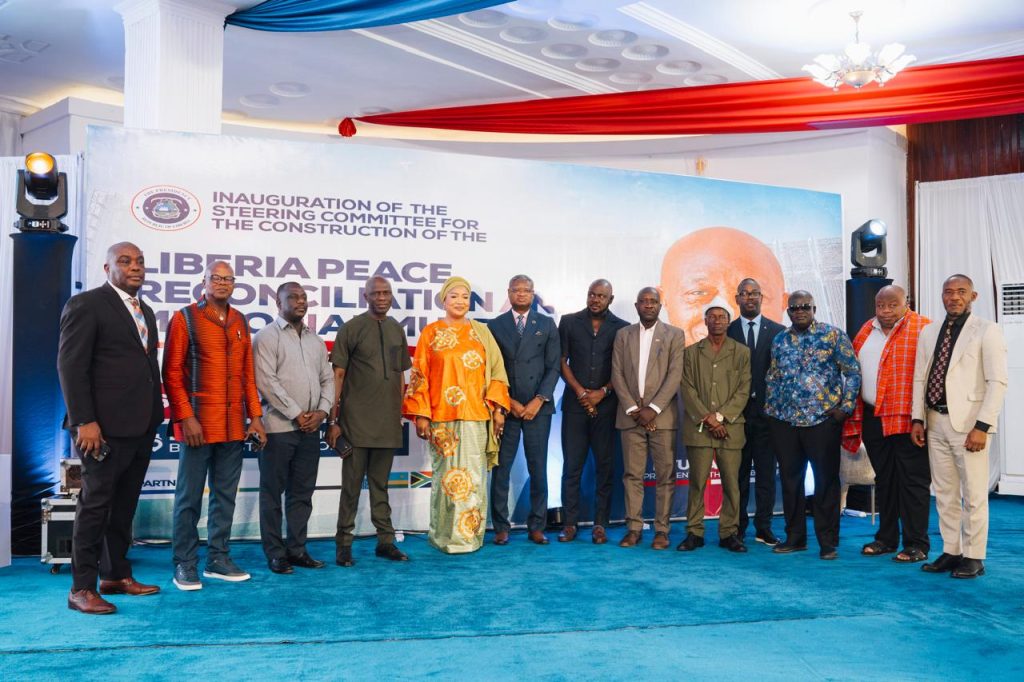
The project gained momentum with the signing of its founding Project Charter by President Joseph Nyuma Boakai on November 13, followed by the inaugural meeting of the national steering committee from November 16 to 18 in Monrovia.
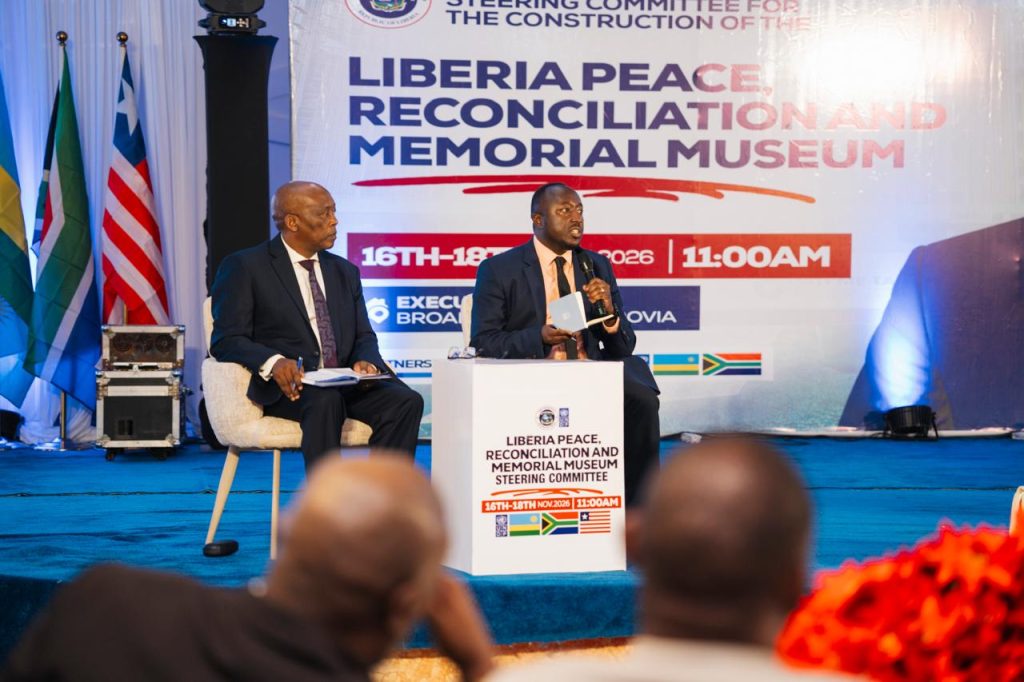
The proposed Liberia Peace, Reconciliation and Memorial Museum will preserve historical records, photographs and testimonies from the country’s civil wars, honour victims and survivors, and educate future generations about the consequences of conflict.
The wars, fought between 1989 and 2003, left an estimated 250,000 people dead, displaced hundreds of thousands and caused widespread destruction.
The charter establishes the museum’s mandate and governance arrangements, as well as five technical working groups covering historical records and collections, governance, museum design, and education and public engagement. The government has set a three-year target for developing the institution, working with the United Nations Development Programme (UNDP) and other partners.
Rwanda contributed to the discussions through a delegation led by Eric Uwitonze Mahoro, Permanent Secretary at the Ministry of National Unity and Civic Engagement. On November 17, Mahoro presented Rwanda’s experience in reconciliation and memorialisation following the 1994 Genocide against the Tutsi.
Rwanda’s High Commissioner to Ghana, Rosemary Mbabazi, also outlined three lessons from the country’s recovery: preserving historical memory, promoting reconciliation through justice and rebuilding trust, and strengthening leadership and institutions to protect national unity.
She said countries could learn from one another but must develop approaches suited to their own histories and circumstances.
The Rwandan contribution builds on a study visit by a Liberian delegation led by Hadja Mamaka Bility, Minister of State without Portfolio in the Office of the President. The delegation visited the Gacaca court records archives and the Campaign Against Genocide Museum in Rwanda, as well as the Apartheid Museum and Freedom Park in South Africa.
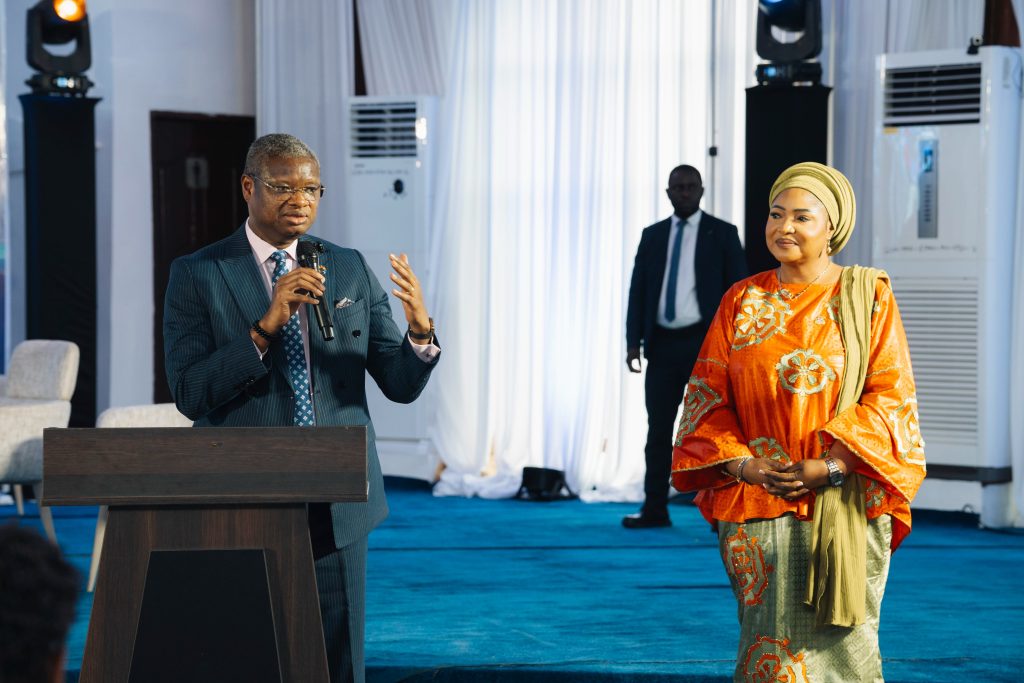
President Boakai has called for survivors, families of victims and other affected communities to participate in developing the museum and deciding how Liberia’s history will be preserved and presented.
The project is intended to provide a permanent national institution for remembrance, research and education, while ensuring that Liberia’s own people lead the telling of their history.
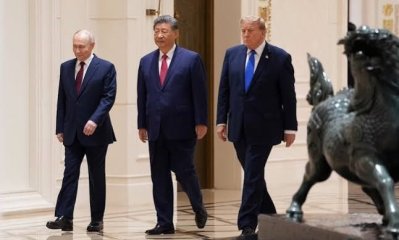
The war in Ukraine and nuclear arms control featured on the agenda as US President Donald Trump met Chinese (…)
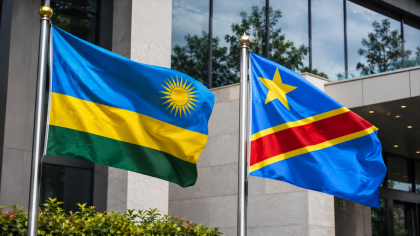
Rwanda and the Democratic Republic of Congo (DRC) are expected to resume peace talks in Geneva, Switzerland, on (…)
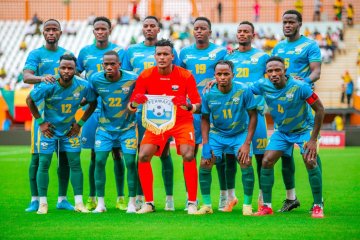
Rwanda’s national football team, Amavubi, have dropped six places to 125th in the latest FIFA world rankings (…)
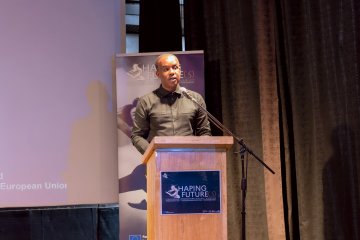
Rwanda is stepping up efforts to build a more structured creative economy, with a new European Union-funded (…)