
 RW
Rwanda looks to creative industries to deliver jobs and economic growth
Rwanda is stepping up efforts to build a more structured creative economy, with a new European Union-funded (…)

When Marie Uwotwambaza lost 380 chickens in 2020, she was left with only 100 birds, a major setback for her poultry business in Rwamagana District.
The experience pushed her to seek protection through Rwanda’s agricultural insurance programme, which she says has since helped her manage losses and protect her investment.
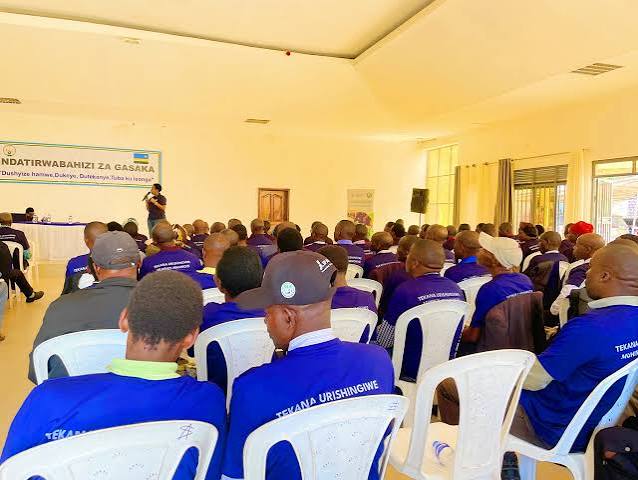
Uwotwambaza now keeps more than 4,000 chickens and is among farmers benefiting from the Tekana Urishingiwe Muhinzi Mworozi scheme.
The programme has paid out more than Rwf11.6 billion to farmers and livestock keepers since its introduction in 2019, according to the Ministry of Agriculture and Animal Resources.
Crop farmers have received more than Rwf6.7 billion, while livestock keepers have been paid over Rwf4.9 billion.
The figures were announced on November 17, 2026, when BK General Insurance, in partnership with the Rwanda Agriculture and Animal Resources Development Board (RAB), paid Rwf204 million to beneficiaries in Rwamagana.
The programme is designed to help farmers recover from losses caused by disasters, diseases and other risks that can undermine agricultural production.
Donatha Karikwera, who heads a rice farmers’ cooperative in Kirehe District, said members previously struggled to return to their fields after disasters damaged their crops. Some became discouraged and considered abandoning farming.
She said insurance had helped ease the financial difficulties associated with restarting production after losses.
Joseph Museruka, the Ministry of Agriculture official responsible for crop and livestock insurance, said the programme had helped restore the value of agricultural assets that might otherwise have been lost permanently.
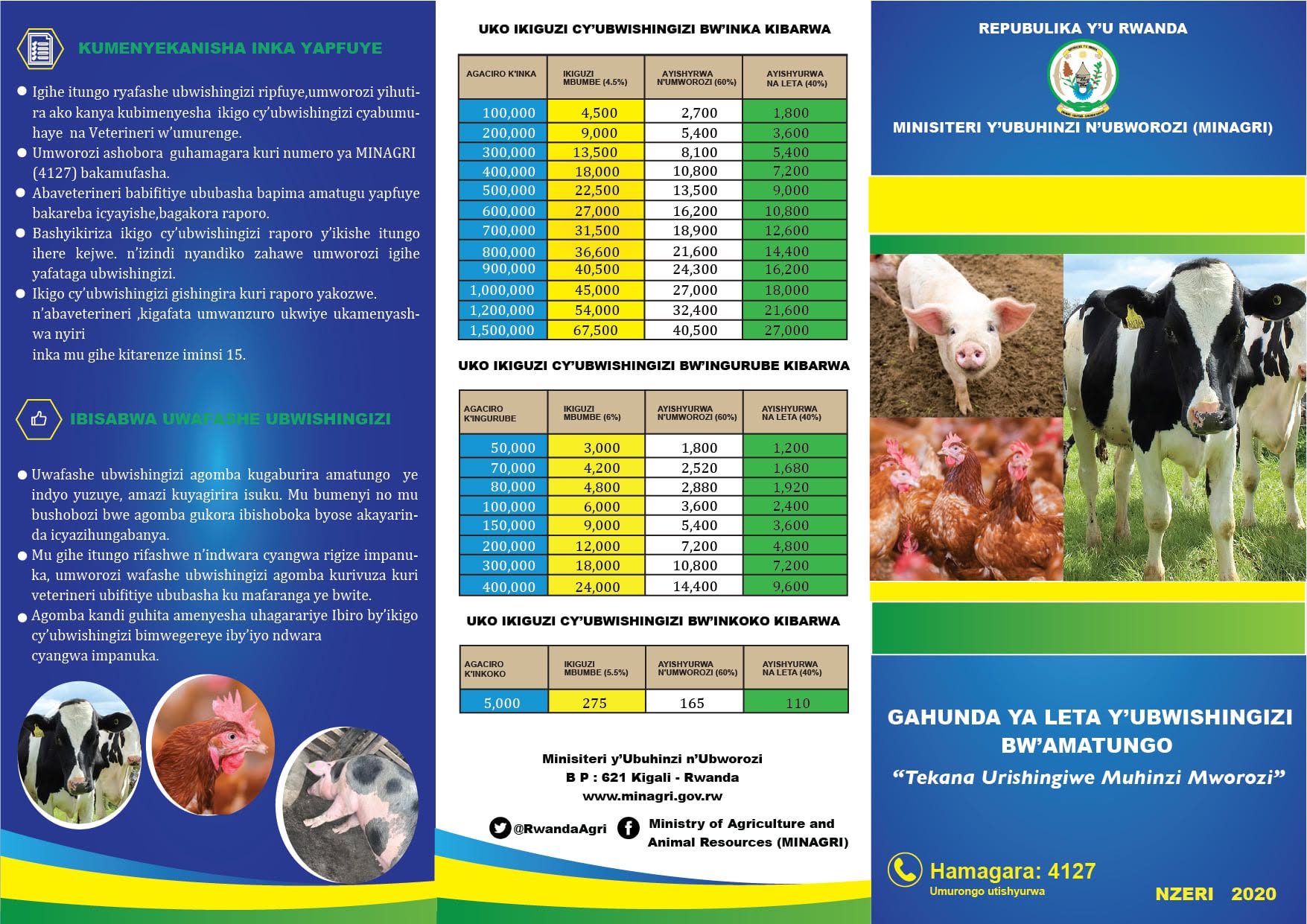
The government subsidises 40 per cent of insurance premiums, with beneficiaries paying the remaining 60 per cent.
Authorities are also promoting preventive measures alongside financial compensation. During the latest exercise in Rwamagana, insured cattle were vaccinated to reduce deaths caused by preventable diseases and protect livestock investments.
The programme has attracted 266,402 farmers and livestock keepers annually, while more than Rwf22 billion has been spent on insurance premiums since its introduction.
It is available in all 30 districts and covers several crops and livestock activities, including poultry, cattle, pigs and fish farming.
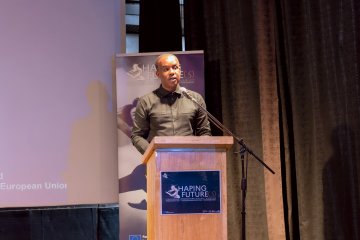
Rwanda is stepping up efforts to build a more structured creative economy, with a new European Union-funded (…)

Uganda Airlines has launched daily flights between Entebbe and Kigali, expanding air connectivity between Uganda and (…)
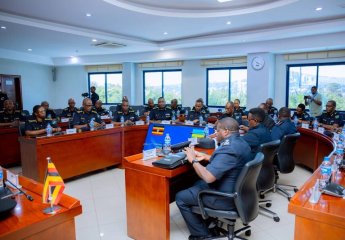
Police forces in Rwanda and Uganda have signed a three-year implementation programme aimed at improving professional (…)

Mali secured qualification for the 2027 Africa Cup of Nations after defeating Rwanda 2-0 at Amahoro Stadium on (…)