
 RW
Insurance helps Rwanda farmers recover from costly agricultural losses
When Marie Uwotwambaza lost 380 chickens in 2020, she was left with only 100 birds, a major setback for her poultry (…)

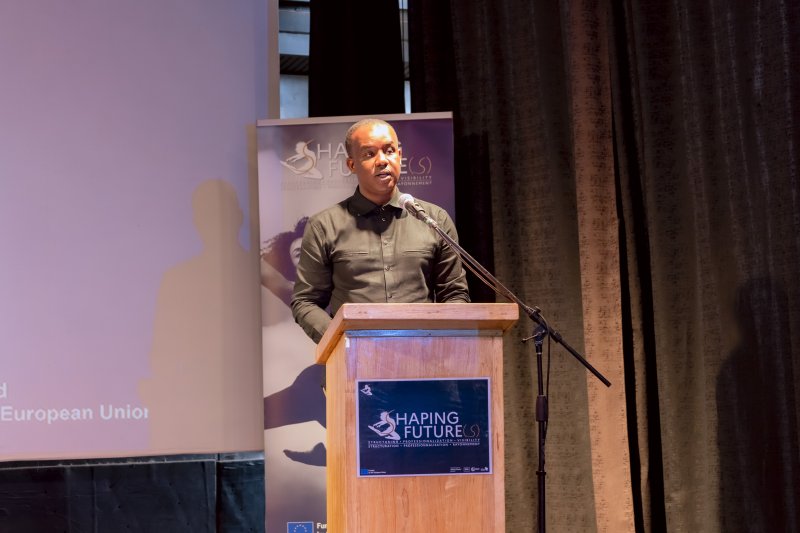
Rwanda is stepping up efforts to build a more structured creative economy, with a new European Union-funded programme targeting skills gaps, limited financing and weak connections between artists and markets.
The initiative, known as Shaping Future(s), was formally launched on November 18, 2026, at the Centre Culturel Francophone du Rwanda. With a budget of €800,000, it will run for 30 months, from January 2026 to June 2028.
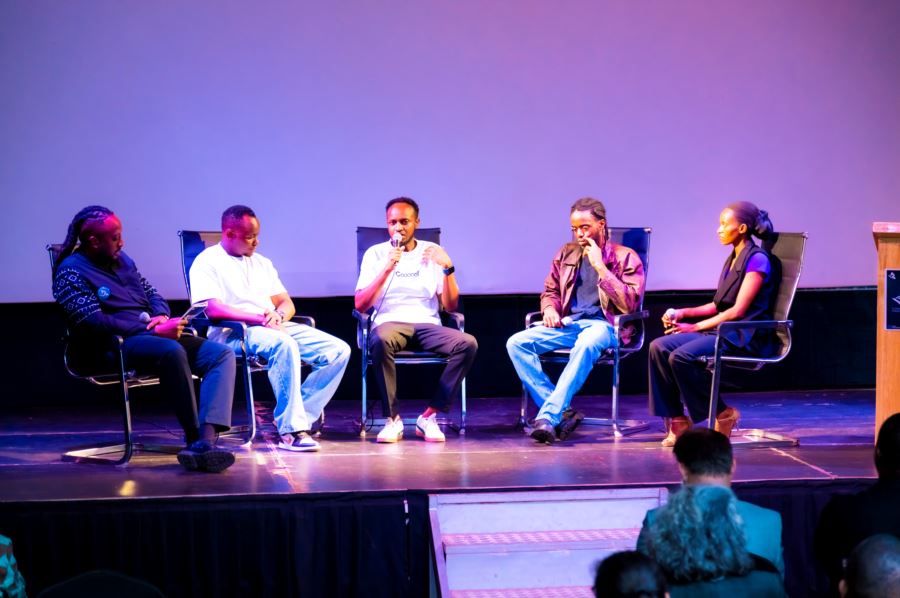
Coordinated by the Institut Français du Rwanda in partnership with the Goethe-Institut Rwanda and Ishyo Arts Center, the programme covers music, visual arts and performing arts. It aims to train more than 375 creative professionals through professional development, mentorship, artistic residencies, grants and entrepreneurship support.
The initiative comes as Rwanda seeks to increase the creative industry’s contribution to gross domestic product to 5% by 2030, an ambition that requires more than producing artistic work.
Lee Fou Messica, Director of the Institut Français du Rwanda, said limited access to finance, professional networks and development opportunities continued to constrain creatives.
She cited a 2023 British Council survey showing that 76% of creative professionals in Rwanda considered access to funding a serious or very serious challenge, while 65% reported limited opportunities to network, collaborate or exchange ideas.
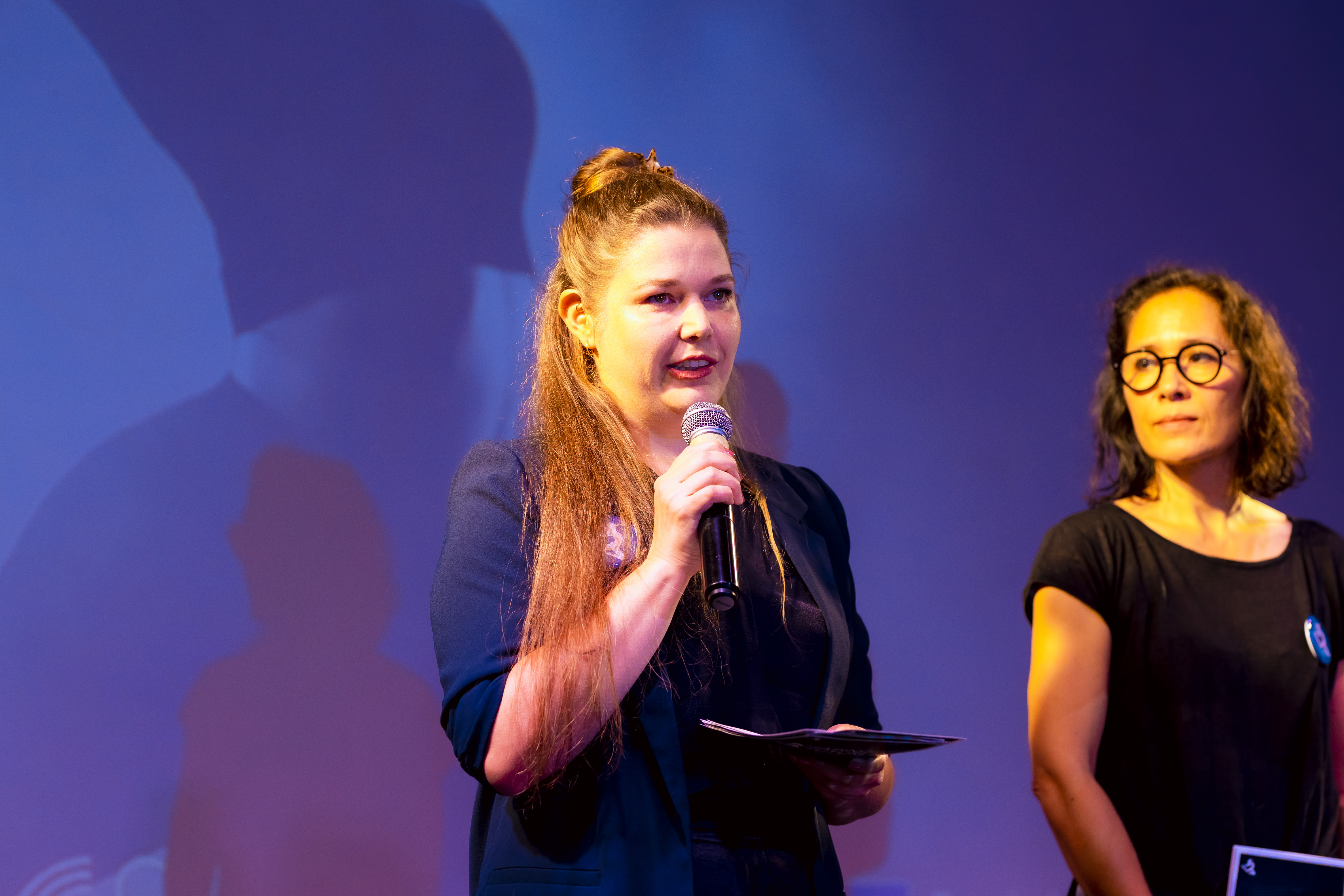
Goethe-Institut Rwanda Director Anisha Soff-Ochieng said building a sustainable sector also requires strengthening the professionals and institutions supporting artists, including cultural managers, curators, producers, galleries and festivals.
She said the programme would provide support in cultural management, entrepreneurship, mentorship, exhibitions and the use of artificial intelligence in the arts, while helping creatives develop their work without forcing them to commercialise every artistic activity.
The music component is expected to train 47 professionals, host two musicians in artistic residencies and support new album production. Training will cover production, post-production, mixing, mastering and music export.
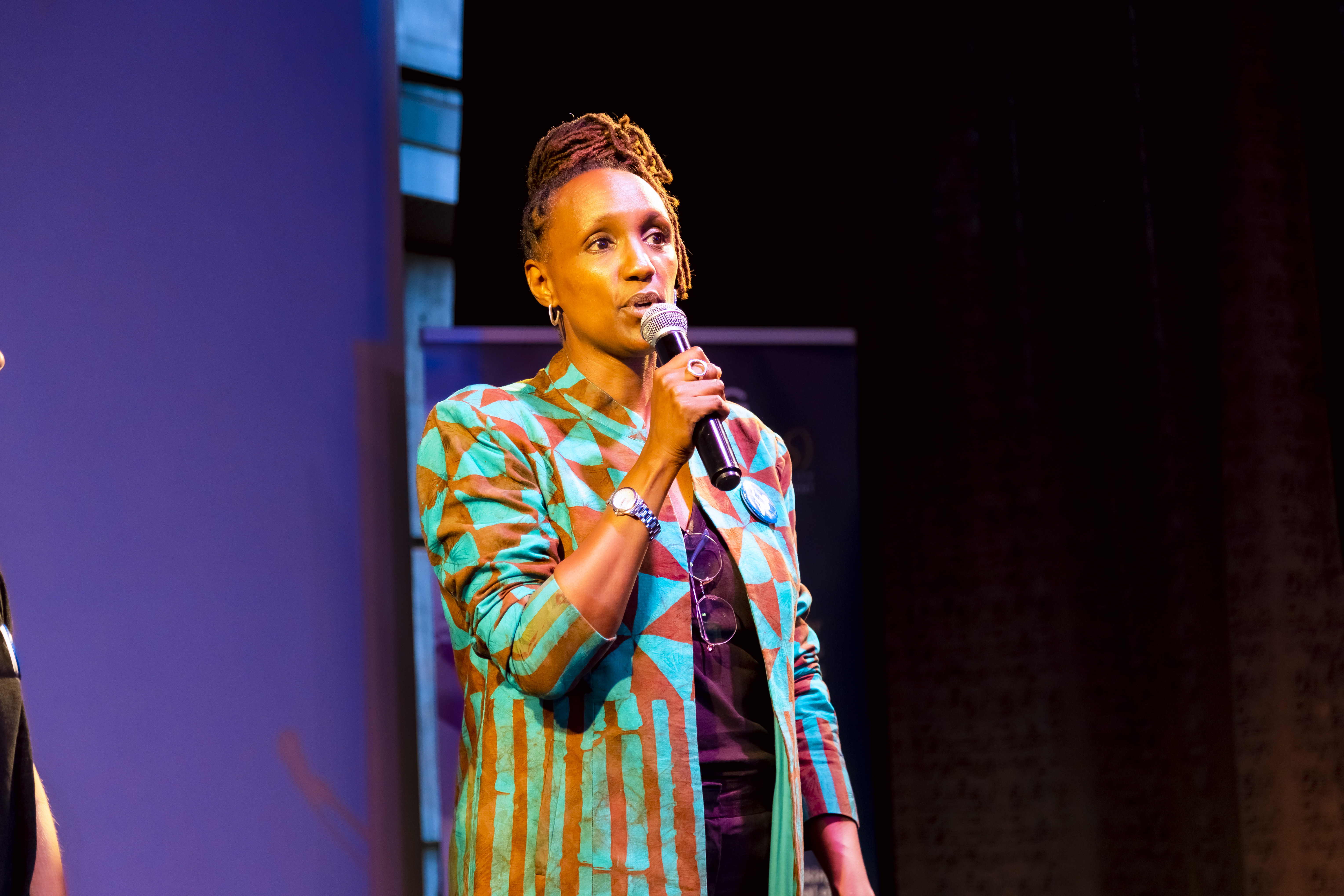
Carole Umulinga Karemera, Executive Director of Ishyo Arts Center, said the programme was developed through consultations and would seek to include women, young people, persons with disabilities and creatives without formal organisational structures.
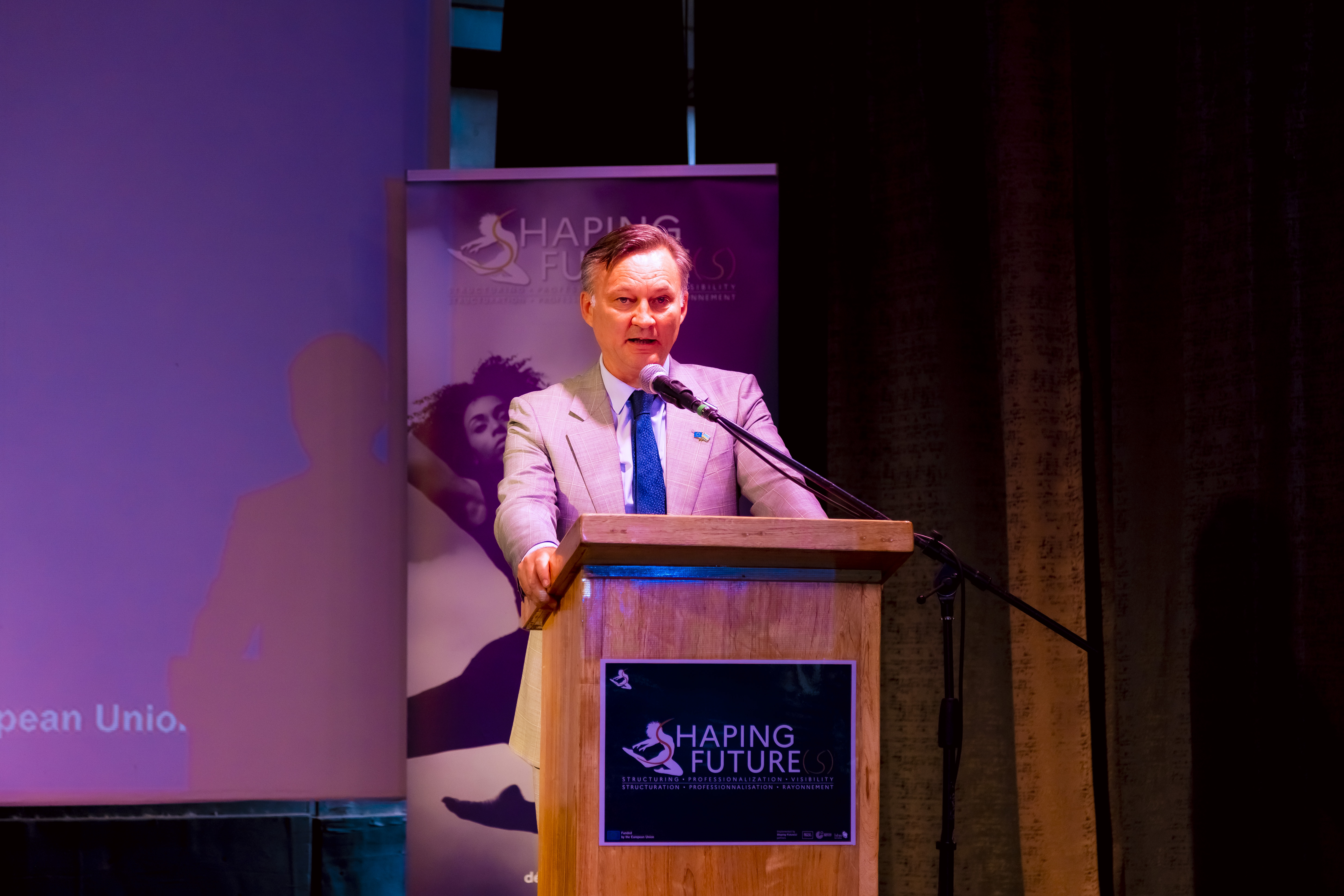
European Union Ambassador to Rwanda Jérémie Blin said the creative industries can generate employment, support businesses and connect local artists to international audiences.
Permanent Secretary at the Ministry of Youth and Arts Parfait Ishungure said stronger skills, institutions, financing and market connections were essential to developing the sector.
The implementing partners said applications and other opportunities would be announced progressively throughout the programme.
When Marie Uwotwambaza lost 380 chickens in 2020, she was left with only 100 birds, a major setback for her poultry (…)
Uganda Airlines has launched daily flights between Entebbe and Kigali, expanding air connectivity between Uganda and (…)
Police forces in Rwanda and Uganda have signed a three-year implementation programme aimed at improving professional (…)

Mali secured qualification for the 2027 Africa Cup of Nations after defeating Rwanda 2-0 at Amahoro Stadium on (…)