

 RW
Six in 10 Rwandans surveyed report recent digital fraud attempts, TransUnion finds
Nearly two-thirds of Rwandans surveyed by TransUnion said they had been targeted by digital fraud in a recent (…)

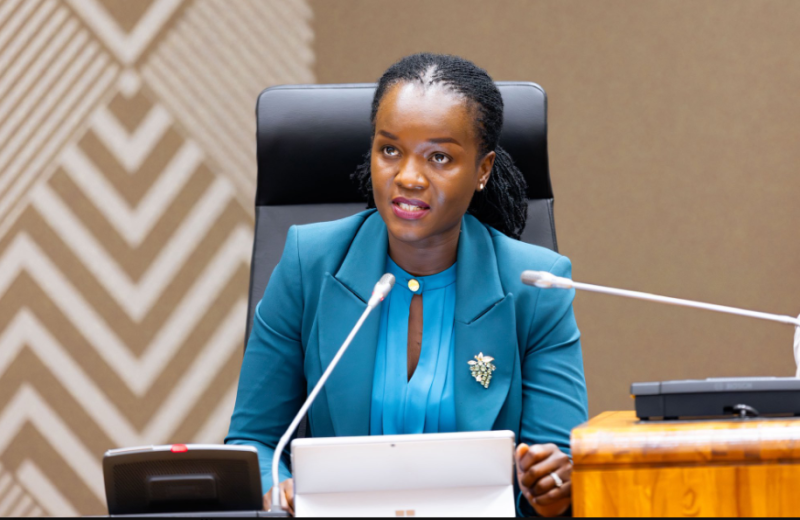
Rwanda is seeking to attract more private-sector investment into climate financing as declining development assistance exposes the limitations of relying on grants to fund environmental and climate-related programmes.
Environment Minister Dr Bernadette Arakwiye told Parliament on November 23, 2026, that the country’s environment and climate fund, FONERWA, needed a new operating model that would allow it to mobilise and manage money from a wider range of sources.
Presenting two draft laws to the plenary, including one establishing the Rwanda Environment and Climate Change Fund, she said the current structure was no longer adequate for the country’s financing requirements.
FONERWA was established in 2012 as a mechanism for channelling grants from development partners into environmental and climate projects. According to Arakwiye, that approach was useful in the fund’s early years but has become increasingly difficult to sustain as donor assistance declines.
She outlined three challenges facing the existing model.
The first is its dependence on external grants, which she said cannot provide reliable long-term financing as international assistance continues to fall.
The second is the fund’s limited ability to attract and manage large amounts of capital from private companies, private investors and major institutions.
The third is its lack of sufficient legal powers to generate income from its own activities, reinvest resources or use different investment mechanisms.
Arakwiye said the existing legislation mainly provides for managing grants already received, whereas the country’s financing needs now require an institution able to invest, combine funding from different sources and make sustainable use of the returns.
The proposed legislation would therefore give the fund broader powers to mobilise and manage climate finance, invest through different mechanisms and reinvest money generated from its activities.
The changes are intended to expand the pool of resources available for climate action beyond traditional development assistance.
The minister presented the proposed fund legislation alongside a separate draft law governing environmental protection and climate change. Both proposals were submitted to Parliament on November 23 for consideration.
The proposed transformation would mark a shift in how Rwanda’s climate financing institution operates, from primarily administering development grants to taking a more active role in attracting and deploying investment.

Nearly two-thirds of Rwandans surveyed by TransUnion said they had been targeted by digital fraud in a recent (…)
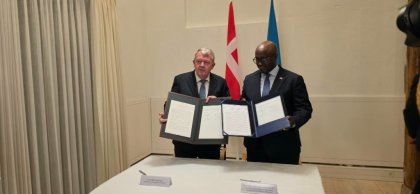
Rwanda and Denmark have agreed to establish a broader framework for economic cooperation, including plans to (…)

Police Volleyball Club continued their strong start to the 2026-27 Rwanda volleyball season, with both their men’s (…)

African countries should invest in disease surveillance, trained health workers and emergency response systems (…)