
 RW
Rwanda’s Deaf Community Pushes for Official Recognition of Sign Language
Rwanda’s deaf community is urging the government to officially recognize sign language and introduce it in schools, (…)

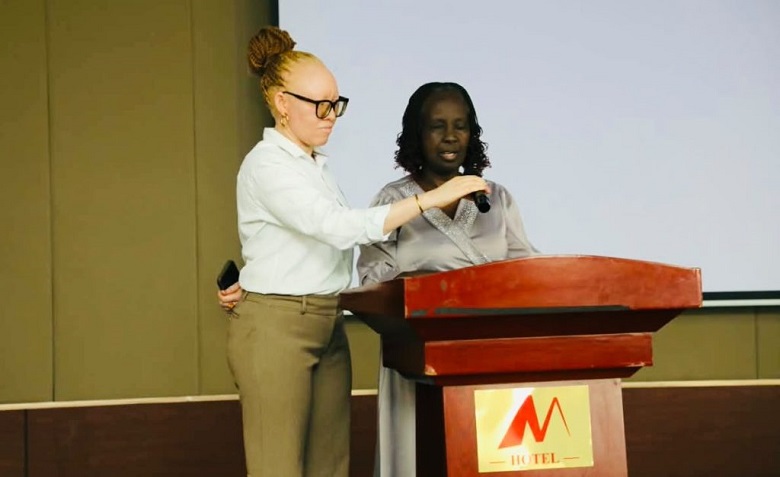
A new national platform has been launched to address barriers preventing people with disabilities from accessing employment, vocational training and entrepreneurship opportunities, bringing together employers, government institutions and disability rights organisations to promote a more inclusive labour market.
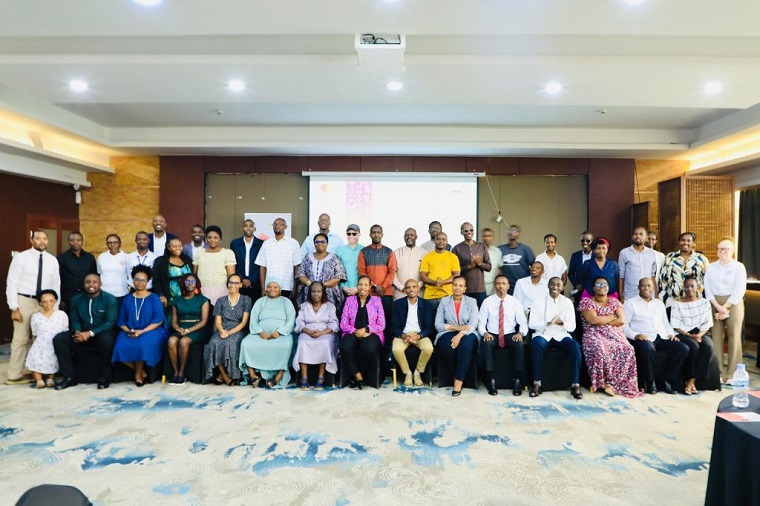
The National Business and Disability Network (NBDN), launched on November 25, will be coordinated by the National Union of Disability Organisations in Rwanda (NUDOR), in partnership with the Ministry of Public Service and Labour (MIFOTRA) and the Private Sector Federation (PSF).
The network is intended to address barriers that prevent people with disabilities from accessing employment on equal terms with other jobseekers. It will also bring together higher learning institutions, civil society organisations and other stakeholders to promote more inclusive recruitment and working environments.
NUDOR chairperson Dr Beth Nasiforo Mukarwego said the platform would advocate for employers to give people with disabilities greater access to employment, noting that some businesses had already hired workers with disabilities who were performing their duties successfully.
“The network will advocate for people with disabilities to be given access to employment opportunities. Today, many people have employed people with disabilities, and they are doing their jobs well,” she said.
Mukarwego said that although Rwanda has laws prohibiting discrimination against people with disabilities, negative attitudes among some employers remain an obstacle.
She said some employers focus on a job applicant’s disability rather than assessing their qualifications, skills and ability to perform the work.
Annet Benegusenga, a PSF staff member responsible for youth, women and people with disabilities, said existing initiatives supporting inclusive businesses needed to be strengthened through broader cooperation.
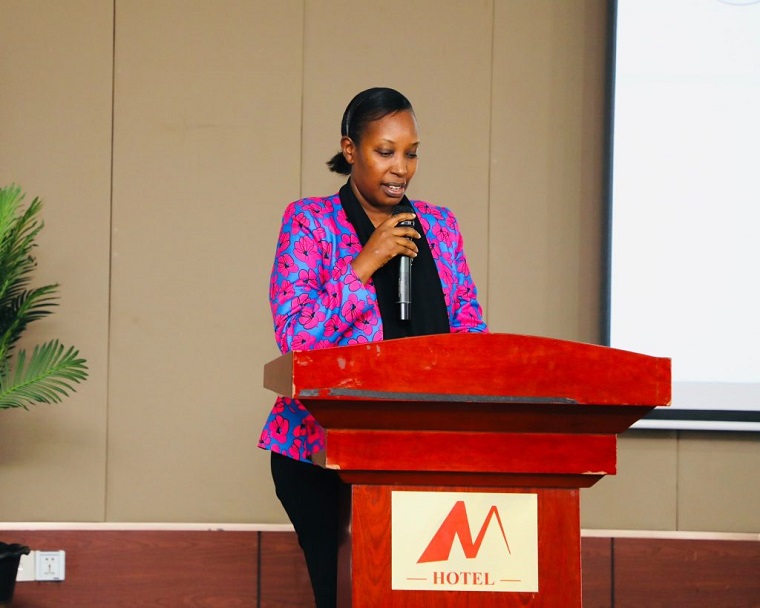
She said NBDN would provide a platform for sharing information, identifying challenges and developing solutions, particularly to help young people with disabilities prepare for employment.
Benegusenga said some employers were concerned that accommodating workers with disabilities could require additional resources. She cited the example of a company considering whether to hire a deaf or non-speaking applicant when none of its existing staff knew sign language.
She said the network would help employers and jobseekers exchange information and explore practical ways of addressing such challenges.
The initiative comes as Rwanda continues to address gaps in economic participation among people with disabilities.
The 2022 Population and Housing Census counted 391,775 people with disabilities aged five and above, representing 3.4% of that population group.
NISR’s 2025 Labour Force Survey found that 29.7% of working-age people with disabilities were engaged in work for pay or profit, highlighting the need to widen access to employment and economic opportunities.
Through NBDN, its partners hope to improve cooperation between employers and disability organisations, strengthen inclusive recruitment practices and expand opportunities for people with disabilities to participate in the labour market.
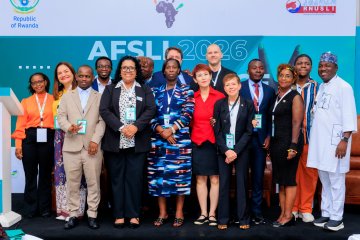
Rwanda’s deaf community is urging the government to officially recognize sign language and introduce it in schools, (…)
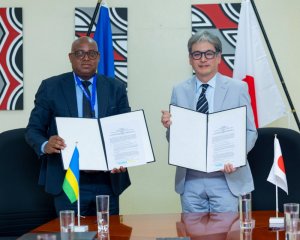
Japan has provided a grant of $89,000 to support the construction of a new facility for children with intellectual (…)

People with disabilities in Rwanda are urging the government to ensure the nationwide rollout of digital national (…)
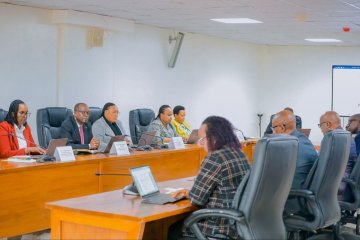
Rwanda will build five model schools for children with complex disabilities beginning in the 2026–27 academic year, (…)