

 RW
Carragher urges Pochettino to consider dropping Lammens after costly Manchester United errors
Jamie Carragher has questioned whether Senne Lammens should remain Manchester United’s first-choice goalkeeper after (…)

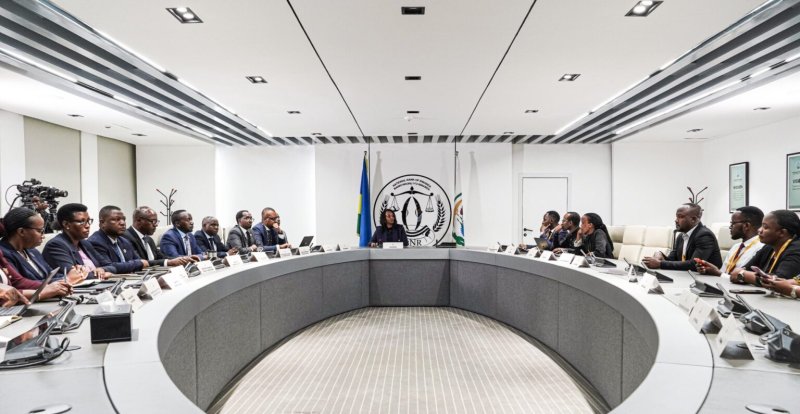
Rwanda’s central bank has raised its benchmark interest rate for the fourth time this year and increased the amount of funds commercial banks must hold in reserve, stepping up efforts to contain inflation that has continued to accelerate.
The Monetary Policy Committee of the National Bank of Rwanda (BNR) increased the Central Bank Rate (CBR) by 75 basis points, from 8.75 per cent to 9.5 per cent, Governor Soraya Hakuziyaremye announced on November 26.
The required reserve ratio for commercial banks was also raised from 5 per cent to 7 per cent. The measure requires banks to hold a larger share of their deposits in reserve, reducing the funds available for lending.
The decisions follow a further rise in consumer prices. Data from the National Institute of Statistics of Rwanda show that annual urban inflation increased to 19.5 per cent in October from 17.2 per cent in September. Prices rose by 3.3 per cent during the month, compared with 2.7 per cent in September.
Food and non-alcoholic beverages were among the main contributors to the monthly increase, with prices rising by 7.8 per cent in October. The category was also 28.9 per cent more expensive than a year earlier.
Hakuziyaremye said the rate increase was intended to bring inflation closer to the bank’s medium-term objective of 5 per cent, safeguard price stability and protect the purchasing power of Rwandans.
The CBR influences the cost of funds available to commercial banks and can feed through to the interest rates charged on loans and offered on deposits. The effect on individual borrowers depends on how banks adjust their lending terms.
Further policy action remains possible
The latest increase is the fourth adjustment to the policy rate this year. The central bank raised it to 7.25 per cent in February, 8.25 per cent in May and 8.75 per cent in August before the November decision.
The bank expects inflation to return to its target range of 2 to 8 per cent from the second half of 2027, with core inflation also expected to decline as domestic and imported cost pressures ease.
However, weather disruptions linked to El Niño could affect agricultural output and food supplies, while continued conflict in the Middle East could push international oil prices higher.
Hakuziyaremye said the Monetary Policy Committee would continue monitoring developments and was prepared to adjust policy if inflationary pressures intensified beyond its projections.

Jamie Carragher has questioned whether Senne Lammens should remain Manchester United’s first-choice goalkeeper after (…)

A four-year legal dispute over a French winery owned by Angelina Jolie and Brad Pitt has ended in an out-of-court (…)

The Ministry of Gender and Family Promotion (MIGEPROF) has called on Rwandans to report child sexual abuse instead (…)

Senegal’s dramatic Africa Cup of Nations victory over Morocco has been confirmed after the Court of Arbitration for (…)