Mastercard foundation launches Rwanda program to expand digital skills training
The Mastercard Foundation has launched a new initiative to strengthen technology education in Rwanda, supporting (…)


Ministry of Health says cases of gender-based violence have increased over the past five years, with about 10,000 more survivors seeking medical care, a trend officials say reflects both rising abuse and improved reporting.
Speaking before members of Parliament on a committee overseeing governance and gender issues, Minister of State for Health Dr. Yvan Butera said the number of people who sought treatment related to gender-based violence rose from 33,800 in the 2020–2021 period to about 42,000 by the end of last year.
Butera said gender-based violence in Rwanda includes physical abuse, psychological or emotional harm, sexual violence and economic abuse, often driven by power imbalances, human rights violations and failure to respect gender equality. Poverty, domestic conflict, alcohol use and drug abuse further exacerbate the problem, he said.
Women account for the majority of reported cases, representing about 84% of victims last year, while men made up roughly 15%, according to ministry figures. Sexual violence remains the most prevalent form, accounting for 47% of cases, followed by physical violence, including assault and bodily injury, at about 40%.
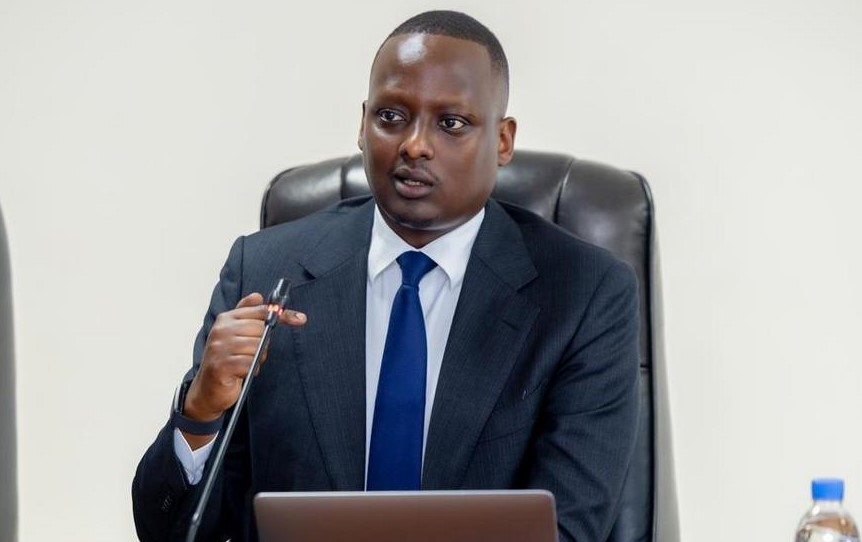
Butera also raised concern over a rise in unintended pregnancies among adolescent girls, which he linked to vulnerability and limited access to education. He said the proportion of girls aged 15 to 19 who experienced unintended pregnancies rose from 5% in 2020 to 8% last year.
Girls with little or no education face the highest risk, he said, with unintended pregnancy rates at 21% among those with no schooling, 15% among those who completed only primary school and 4% among girls who finished secondary school.
“This shows that keeping girls in school through secondary education significantly reduces the risk of unintended pregnancy,” Butera said, calling education a critical protective factor.
He said a recently adopted law allowing girls aged 15 and older to access family planning services could help reduce unintended pregnancies.
Rwanda operates Isange One Stop Centers nationwide to provide medical, legal and psychological support to survivors of gender-based violence, but many victims remain silent. Ministry data show only 43% of women and 40% of men who experience violence formally report it or seek help.
Justice sector figures for the 2024–2025 judicial year show more than 6,100 cases of child sexual abuse prosecuted, 906 rape cases and over 10,000 assault-related cases nationwide.
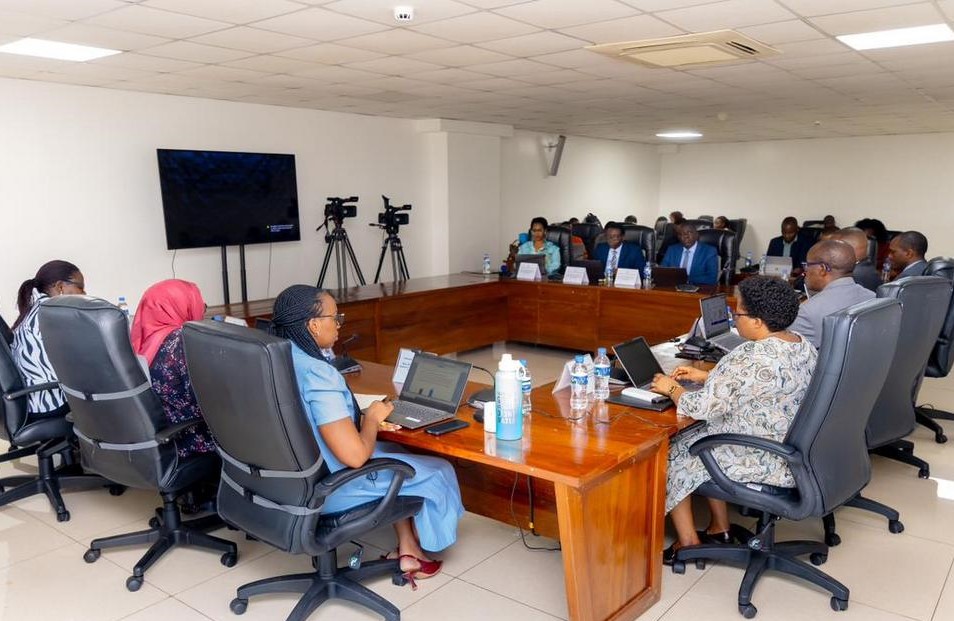
Lawmakers also called for greater use of community health workers to raise awareness at the village level, while raising concerns over staffing shortages and aging infrastructure at Isange centers.

The Mastercard Foundation has launched a new initiative to strengthen technology education in Rwanda, supporting (…)

Liberian government officials are in Rwanda this week to study digital governance systems that have helped (…)
Rwanda has pledged continued support for East African integration as the East African Community (EAC) begins public (…)

Rwanda plans to spend about 9.8 billion Rwandan francs ($6.7 million) to restore sections of Nyungwe National Park (…)