Rwanda launches $6.7 million effort to restore Nyungwe national park
Rwanda plans to spend about 9.8 billion Rwandan francs ($6.7 million) to restore sections of Nyungwe National Park (…)

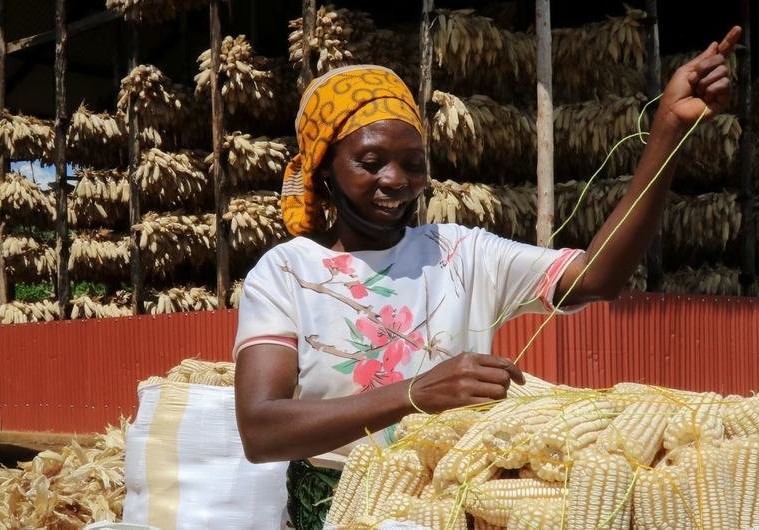
Rwanda has made progress in agriculture in recent years, but the country is still far from achieving food self-sufficiency, government officials said Tuesday, warning that imports are rising rapidly while productivity and nutrition remain major concerns.
Rwanda’s National Institute of Statistics (NISR) said that between 2017 and 2024, domestic food production dropped to 68.9% of national consumption, down from 85% in 2019. The country’s food import bill has increased nearly fivefold, from 238 billion Rwandan francs to 1.174 trillion francs.
The Ministry of Agriculture and Animal Resources (MINAGRI) reported that 83% of Rwandans are food secure, while 17% are not. About 2% of the population lacks access to food entirely.
Speaking at a policy dialogue organized by the Parliamentary Network for Population, Development and Prosperity, Agriculture Minister Telesphore Ndabamenye said the nation faces persistent challenges including low productivity, climate variability and post-harvest losses.
“We are focused on three priorities: food for all, income and jobs,” Ndabamenye said. “Our policy aligns with the National Strategy for Transformation, targeting a 50% productivity increase and reducing losses to below 5%.”
Rwanda’s 2025 agricultural output included 598,900 tons of maize, 1.3 million tons of cassava, 884,700 tons of potatoes, 2.4 million tons of bananas and 474,300 tons of beans. Livestock production included 1.1 billion liters of milk, 219,500 tons of meat, 52,400 tons of fish, 29,800 tons of eggs and 8,460 tons of honey.
Yet the country still produces only 33.8% of the milk it needs and 43% of required meat.
Rural malnutrition remains high, with stunting affecting 30% of children compared with 19% in urban areas.
Experts and lawmakers said access to finance is a major barrier. Jean Claude Shirimpumu, representing pig farmers, said banks still view agriculture as high-risk and are reluctant to lend.
Lawmakers urged stronger investment incentives and improved agricultural regulations and standards, while emphasizing that food security is a national responsibility.

Rwanda plans to spend about 9.8 billion Rwandan francs ($6.7 million) to restore sections of Nyungwe National Park (…)

More than 40,000 students, teachers and other education stakeholders in Rwanda are expected to be trained in digital (…)
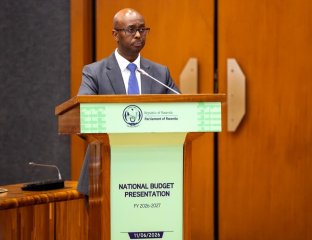
Rwanda has set its national budget for the 2026-27 fiscal year at 7.796 trillion Rwandan francs ($5.5 billion), (…)

The Capital Markets Youth Forum 2026 concluded Friday at the Kigali Convention Centre, bringing together students, (…)