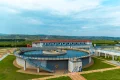
Rwanda launches first upper-air weather monitoring station
Rwanda on Thursday inaugurated its first Automatic Upper-Air Station, a facility designed to strengthen the (…)

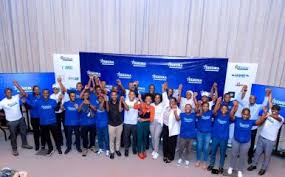
On Monday, 193 tailors from across Rwanda were awarded certificates through the “Recognition of Prior Learning” (RPL) program, formally acknowledging the skills they have developed through years of hands-on experience.
The initiative aims to give recognition to tradespeople who have learned their craft outside formal schools, allowing them to demonstrate their abilities and gain the same professional credibility as formally trained peers.
Mukamurenzi Theopiste, a tailor from Muhanga District who previously worked in government, said the program validated years of practical work.
“I wondered if someone could spend many years working in a trade only for it not to be recognized legally,” he said. “Now I am happy because RPL shows that practical skills have value. I want to start my own company that delivers quality services legally and professionally.”
Another recipient, Mukangango Delice, widely known as Furaha, has been working in tailoring for 20 years. She said the certificate marks the start of a new phase in her career.
“This will help me achieve more,” Delice said. “I plan to start a school to teach tailoring and collaborate with other entrepreneurs in Rwanda and abroad. I now see more opportunities to access larger markets.”
Daniel Nshimiyimana, director of the Rwanda Tailors Association, said the program restores respect for practical skills.
“For many years, skilled tradespeople were overlooked because they lacked formal certificates,” he said. “The RPL program allows professionals to demonstrate their abilities and helps create more jobs.”
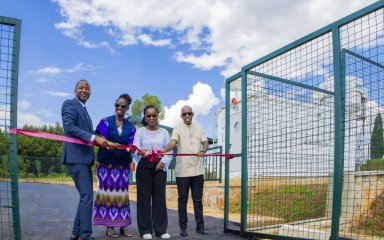
Rwanda on Thursday inaugurated its first Automatic Upper-Air Station, a facility designed to strengthen the (…)

Rwanda Development Board (RDB) has temporarily suspended operations at four hotels after inspections found they (…)
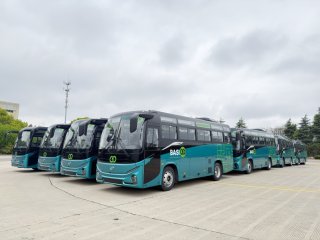
Electric bus company BasiGo plans to introduce 18 new electric passenger buses in Rwanda as part of efforts to (…)
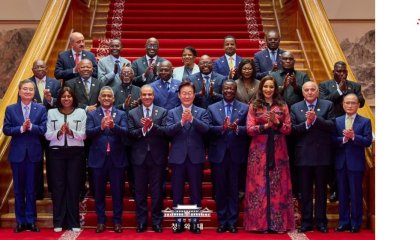
Minister of Foreign Affairs and International Cooperation, Olivier Nduhungirehe, met South Korean President Lee Jae (…)