Rwanda launches first upper-air weather monitoring station
Rwanda on Thursday inaugurated its first Automatic Upper-Air Station, a facility designed to strengthen the (…)

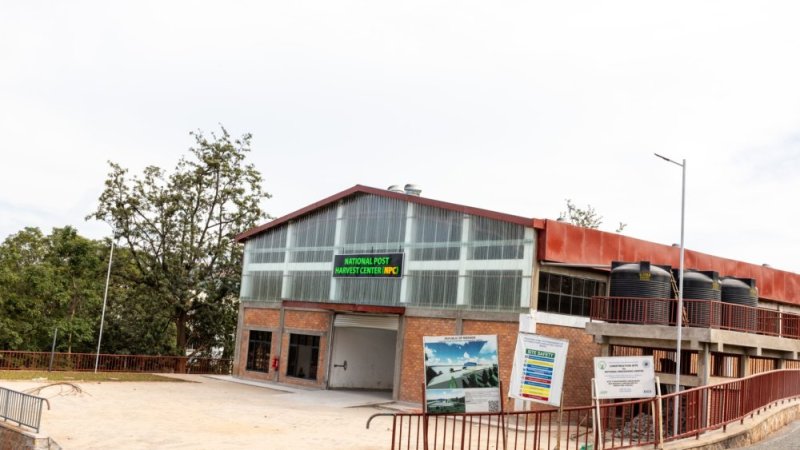
Rwanda’s National Agricultural Export Development Board said it is constructing five drying facilities to reduce post-harvest losses of onions and chili peppers, crops that frequently spoil before reaching markets.
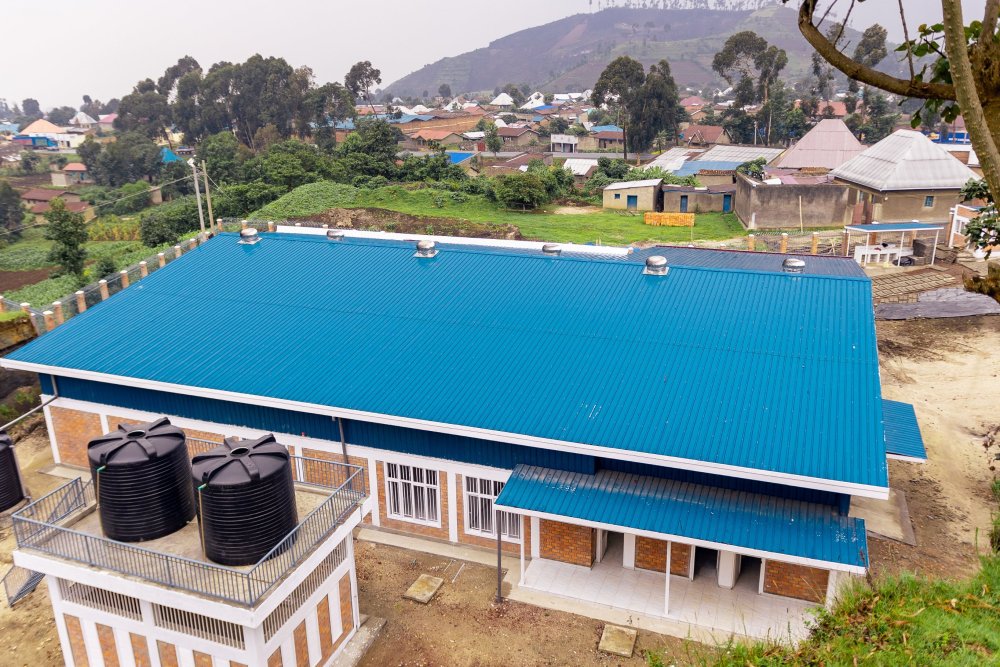
The agency, known as NAEB, said the new infrastructure is part of a broader strategy to improve food preservation and strengthen agricultural value chains.
Farmers have long complained of heavy losses when bumper harvests outpace demand. In some seasons, onions rot in fields or homes after harvest because of limited storage and weak market access. Chili pepper growers face similar challenges when processors fail to absorb large volumes or when there are no rapid drying options.
Currently, about 15.4% of harvested onions spoil after harvest, while losses for chili peppers stand at 17.2%, mainly due to insufficient drying capacity, NAEB said.
Jerome Iradukunda, who grows onions and other vegetables through his company, LA FOI BENIE Ltd, said unpredictable markets remain a major obstacle.
“You can go to the market and fail to find a buyer,” he said, describing price swings that range from as low as 50 Rwandan francs (about 4 cents) per kilogram to as high as 1,000 francs, depending on supply and demand. “It’s like gambling.”
NAEB said one national-level drying facility is under construction at its headquarters in Kigali, while four others are being built in the districts of Rubavu, Rulindo, Bugesera and Nyagatare. Together, the plants will be able to dry 199 tons of onions and chili peppers within 48 hours.
Construction began in December 2024. Once operational in 2026, the facilities are expected to cut post-harvest losses by half — reducing onion losses to 7.7% and chili pepper losses to 8.7%.
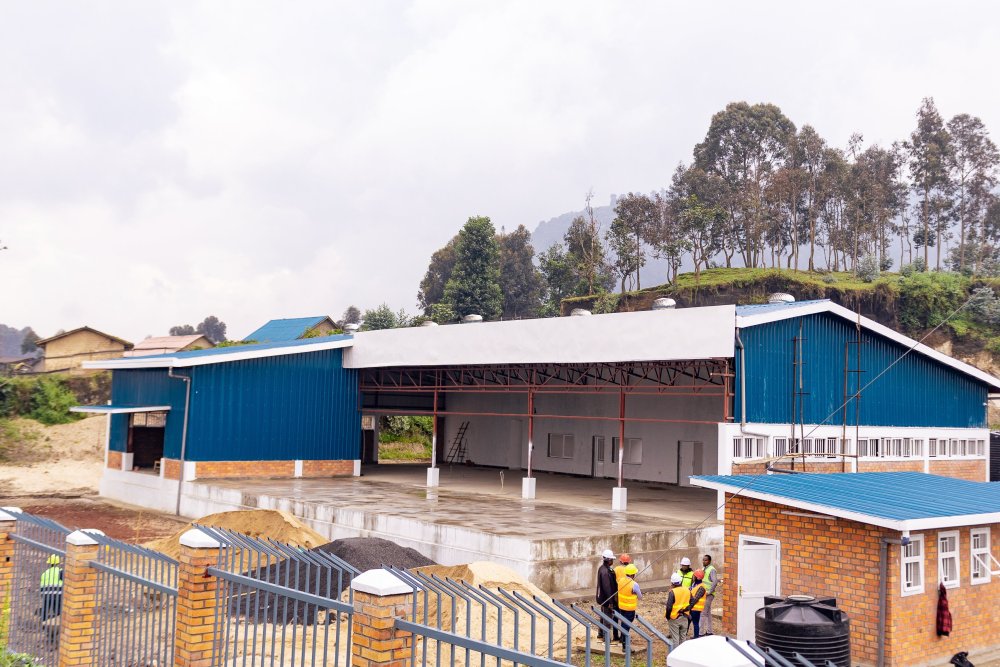
The project is estimated to cost more than 4.8 billion Rwandan francs ($3.8 million) and will be managed by farmers’ cooperatives.
Iradukunda, who cultivates one hectare and harvests between 8 and 12 tons per season, said dried onions can be stored for up to six months, allowing farmers to wait for better prices.
From 2020 to 2025, Rwanda earned more than 26 billion francs from onion exports and over 42 billion francs from chili peppers, according to NAEB data.
Rwanda on Thursday inaugurated its first Automatic Upper-Air Station, a facility designed to strengthen the (…)

Rwanda Development Board (RDB) has temporarily suspended operations at four hotels after inspections found they (…)

Electric bus company BasiGo plans to introduce 18 new electric passenger buses in Rwanda as part of efforts to (…)

Minister of Foreign Affairs and International Cooperation, Olivier Nduhungirehe, met South Korean President Lee Jae (…)