Rwanda launches first upper-air weather monitoring station
Rwanda on Thursday inaugurated its first Automatic Upper-Air Station, a facility designed to strengthen the (…)

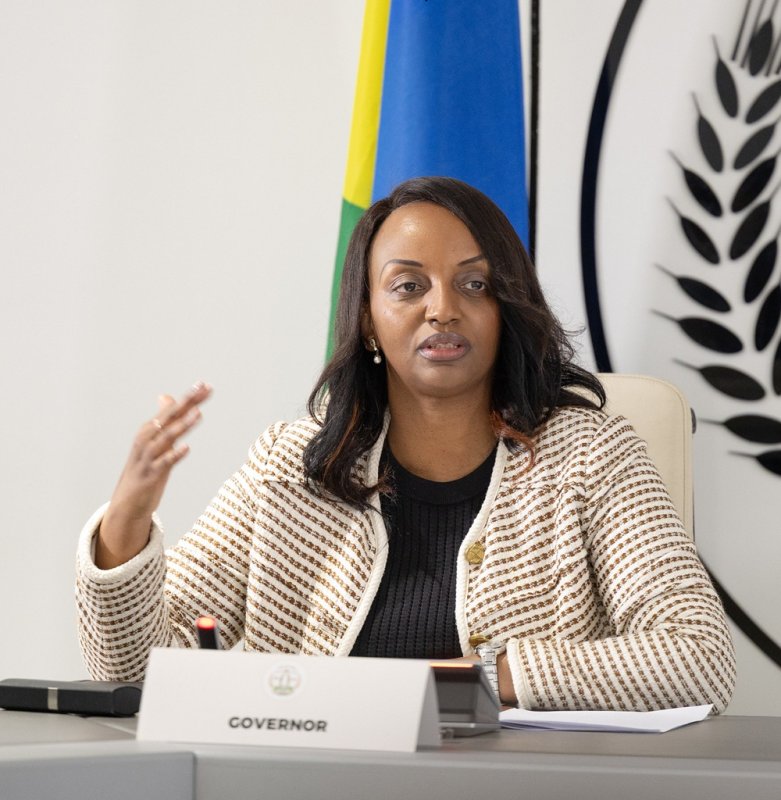
Rwanda’s central bank has raised its key policy rate to 7.25% from 6.75% in a bid to curb rising inflation and bring price growth back within its target range of 2% to 8%.
The National Bank of Rwanda said the decision follows an acceleration in inflation, which reached 8.9% in January 2026, up from 8.0% in December 2025. The increase pushed inflation above the bank’s target band.
Data from the National Institute of Statistics show consumer prices rose 8.9% year-on-year in January, compared with 8% in December.
Inflation also picked up in the final quarter of 2025, averaging 7.4%, compared with 7.2% in the third quarter. The rise was largely driven by higher core inflation, which excludes volatile items such as perishable food and energy. That outweighed a slowdown in price increases for perishable food products.
Central bank Gov. Soraya Hakuziyaremye said the Monetary Policy Committee acted in response to mounting inflationary pressures and a revised outlook that anticipates further price increases in the coming months.
“Based on continued inflationary pressures and the updated forecast, the committee decided to raise the key policy rate from 6.75% to 7.25%,” she said.
The bank expects inflation to remain above 8% in the near term before easing later in the year. It projects that price growth will gradually return to the 2% to 8% target range by the end of 2026.
The rate hike is intended to prevent price instability and safeguard purchasing power while sustaining economic growth, Hakuziyaremye said.
Despite global trade and geopolitical challenges, the world economy expanded by 3.3% in 2025 and is expected to maintain the same growth rate in 2026, the central bank said.
Rwanda’s economy outperformed global trends, growing an average of 8.7% in the first three quarters of 2025, up from 7.2% in 2024.
The Rwandan franc depreciated 4.4% against the U.S. dollar in December 2025, a smaller decline than the 9.42% drop recorded a year earlier. The bank attributed the relative stability to higher foreign exchange earnings from tourism and remittances, as well as a weaker dollar globally.
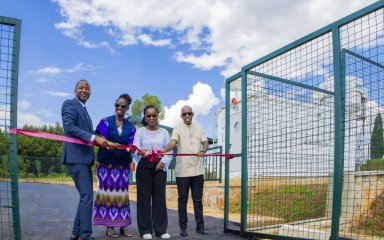
Rwanda on Thursday inaugurated its first Automatic Upper-Air Station, a facility designed to strengthen the (…)

Rwanda Development Board (RDB) has temporarily suspended operations at four hotels after inspections found they (…)

Electric bus company BasiGo plans to introduce 18 new electric passenger buses in Rwanda as part of efforts to (…)
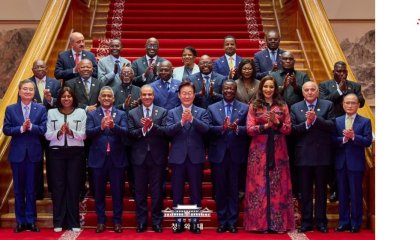
Minister of Foreign Affairs and International Cooperation, Olivier Nduhungirehe, met South Korean President Lee Jae (…)