MINUBUMWE updates strategy to combat hate speech, promote unity
The Ministry of National Unity and Civic Engagement (MINUBUMWE) says it is updating its strategy to prevent and (…)

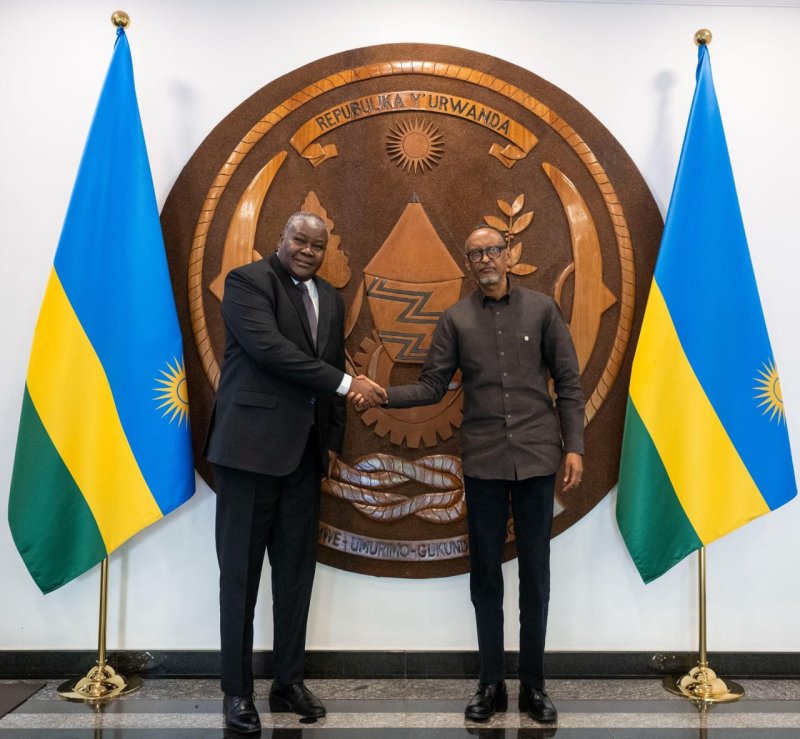
Rwanda has reaffirmed its commitment to strengthening East African integration as President Paul Kagame held talks with the Secretary-General of the East African Community (EAC), Amb. Stephen Mbundi, on advancing regional cooperation.
The meeting took place at Village Urugwiro on Wednesday, where Kagame and Mbundi discussed Rwanda’s contribution to EAC initiatives aimed at increasing cooperation among member states and promoting shared economic and social development.
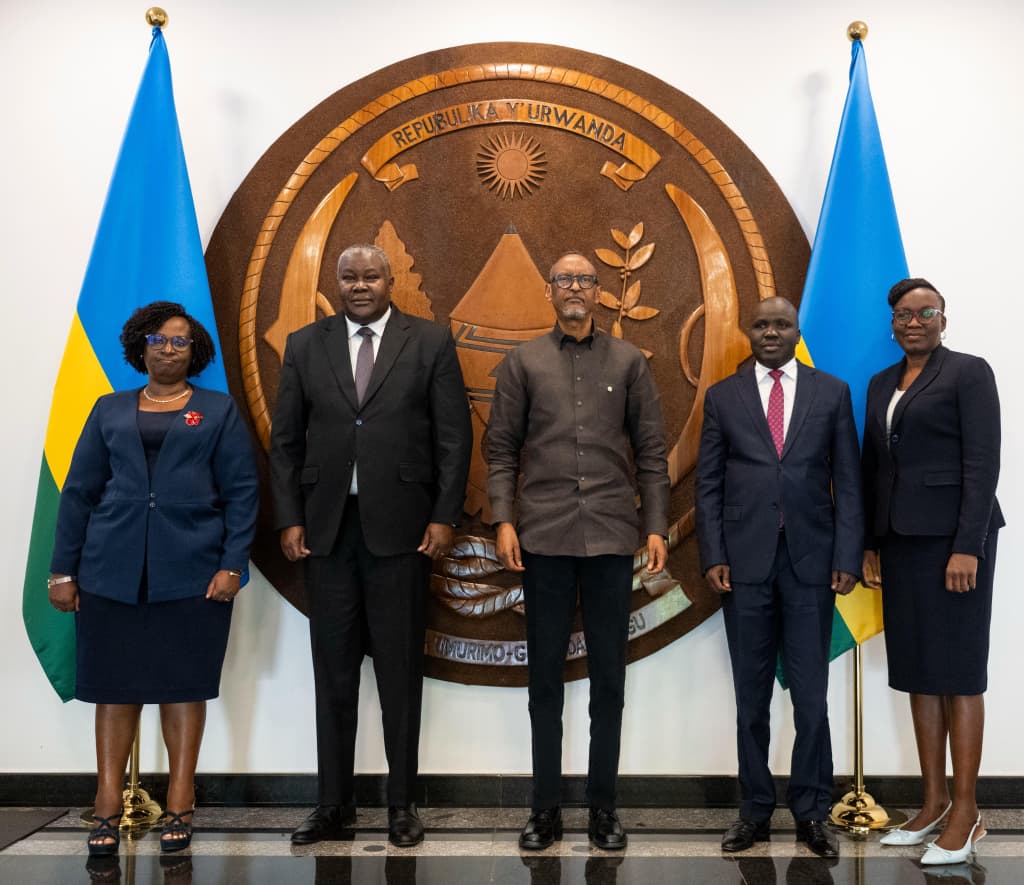
The discussions were also attended by Minister of State in charge of Regional Cooperation, Dr. Usta Kaitesi.
Mbundi was in Rwanda as part of consultations on a proposed framework to strengthen political integration within the EAC, an initiative aimed at creating stronger regional institutions and improving cooperation among member states.
The consultations, which began on June 15, brought together representatives from government agencies, Parliament, the judiciary, universities, civil society organizations, the private sector, youth groups, women’s organizations, people with disabilities, faith-based institutions, political parties and the media.
The EAC said the consultations are intended to gather views from citizens and stakeholders that will help shape a proposed legal framework on political integration within the regional bloc.
According to the community, public participation is essential in building institutions that reflect the interests of citizens and support long-term regional development.
Mbundi, a Tanzanian national, was appointed Secretary-General of the EAC in March 2026, taking over from Veronica Nduva, who had served in the role since June 2024.
Rwanda joined the EAC in 2007 and has since participated in regional programmes focused on trade, mobility, infrastructure, peace and security, and economic cooperation.
The regional bloc has made progress in expanding cross-border trade, easing movement of people and goods, reducing barriers to commerce, introducing the EAC passport and advancing the Common Market.
The EAC currently has eight member states: Rwanda, Burundi, Uganda, Kenya, Tanzania, the Democratic Republic of Congo, South Sudan and Somalia. Together, the bloc’s member countries have a combined population of more than 302 million people, according to figures published in 2025.
The push for deeper integration comes as East African countries seek to strengthen regional institutions and increase cooperation in areas that affect citizens directly, including trade, movement, investment and security.
For Rwanda, regional integration remains a key part of its foreign policy, with Kigali emphasizing closer cooperation among EAC members as a way to support economic growth and address shared challenges facing the region.

The Ministry of National Unity and Civic Engagement (MINUBUMWE) says it is updating its strategy to prevent and (…)
Rwanda loses an estimated 150,000 tons of agricultural produce annually which is equivalent to nearly 30 percent of (…)
Awareness of autism is growing in Rwanda as health and education officials call for earlier identification, improved (…)

The Mastercard Foundation has launched a new initiative to strengthen technology education in Rwanda, supporting (…)