MINUBUMWE updates strategy to combat hate speech, promote unity
The Ministry of National Unity and Civic Engagement (MINUBUMWE) says it is updating its strategy to prevent and (…)

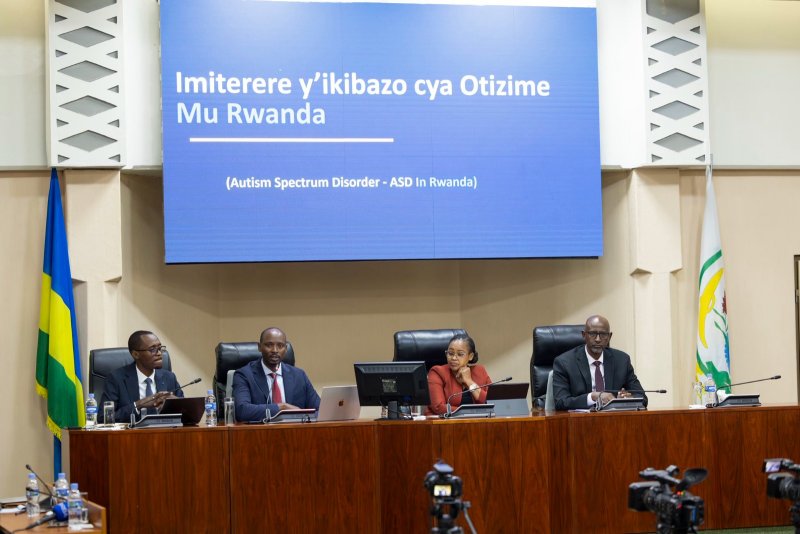
Awareness of autism is growing in Rwanda as health and education officials call for earlier identification, improved services and stronger support systems for children and families affected by the condition.
Dr. Darius Gishoma, head of the Mental Health Division at the Rwanda Biomedical Centre (RBC), said research by the World Health Organization (WHO) indicates that about one in every 120 people globally may have autism.
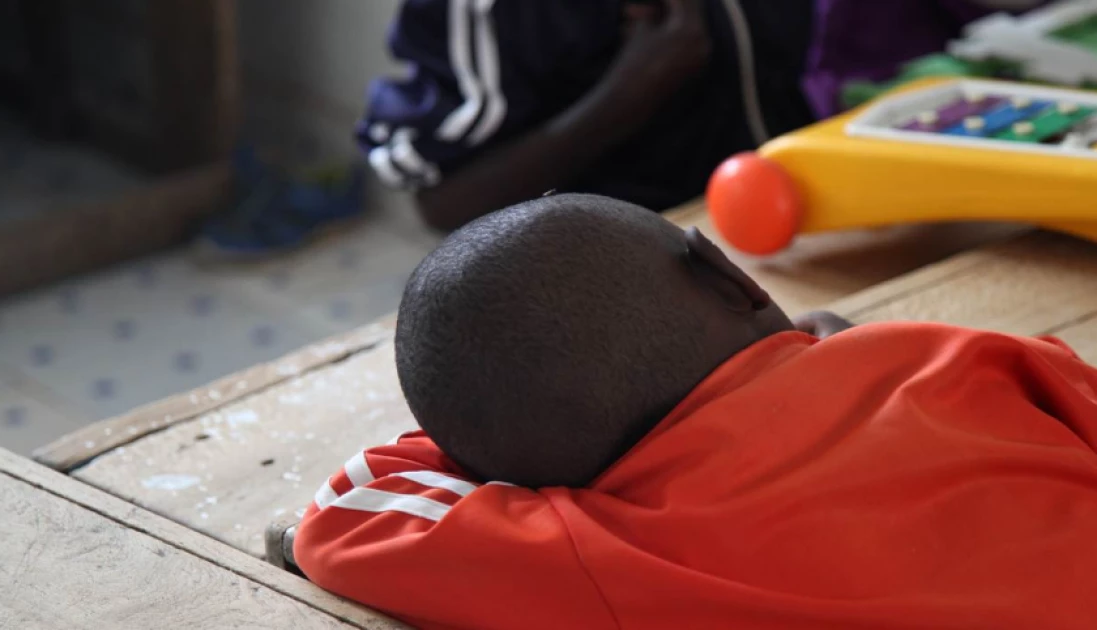
He made the remarks Wednesday during a discussion that brought together senators and officials from different sectors to examine challenges facing children with autism and explore ways to improve care, education and support.
Gishoma said Rwanda is continuing research to better understand autism and identify people living with the condition.
“Autism exists, and it is often noticed in young children. Parents and caregivers may begin to see signs when a child is around two or three years old, when they start walking, speaking and showing behaviours that differ from other children,” he said.
He explained that autism, also known as Autism Spectrum Disorder (ASD), can affect communication, social interaction and behaviour. Some children may appear withdrawn, have difficulty engaging with others or become highly focused on certain activities.
Gishoma said autism affects children differently, with some showing significant challenges while others may display only mild differences in behaviour.
He said autism does not have one single known cause but is associated with multiple factors, including genetics and differences in brain development.
“Autism can appear in some families, which shows that genetics may play a role,” he said, adding that factors related to pregnancy and birth, including premature birth and very low birth weight, may also increase the likelihood of the condition.
Families affected by autism said early diagnosis and access to specialised services remain among the biggest challenges.
Rwigamba Fidele, a parent of a child with autism, said he noticed signs early after his child experienced difficulties with speaking and communication.
He said finding support was difficult until he sought medical advice in Kenya, where doctors helped explain his child’s condition.
“I returned to Rwanda and continued raising him, but when he reached three years old, we tried taking him to school and it did not work because of his behaviour,” Rwigamba said.
He said his child was later enrolled in a specialised autism education centre and has since improved. At the age of seven, the child had started reading and speaking.
Education Minister Joseph Nsengimana said the government recognises the challenges faced by children with autism and has continued training teachers and providing resources to support them.
He said more specialised schools are needed because children with autism often require tailored teaching methods and additional care.
“We know these children need special attention, which is why centres supporting them can be expensive due to the level of care required,” Nsengimana said. “We will continue strengthening advocacy and partnerships to improve services.”
The National Council of Persons with Disabilities said previous population surveys have not captured accurate figures on the number of people with autism in Rwanda, but plans are underway to conduct more detailed data collection.
Officials say better information, increased public awareness and expanded access to specialised education and health services will be essential to ensuring children with autism receive the support they need.
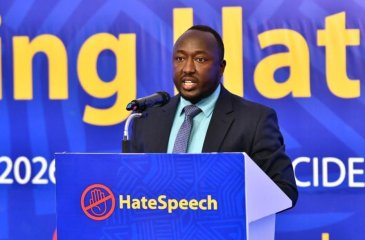
The Ministry of National Unity and Civic Engagement (MINUBUMWE) says it is updating its strategy to prevent and (…)
Rwanda loses an estimated 150,000 tons of agricultural produce annually which is equivalent to nearly 30 percent of (…)
Rwanda has reaffirmed its commitment to strengthening East African integration as President Paul Kagame held talks (…)
The Mastercard Foundation has launched a new initiative to strengthen technology education in Rwanda, supporting (…)