University of Rwanda Leads €15.3M Chikungunya Vaccine Project
The University of Rwanda (UR), has launched a four-year international research project aimed at developing a vaccine (…)

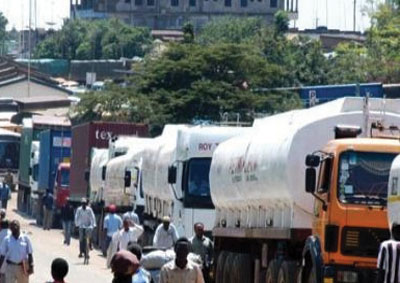
The war in the Middle East involving the United States, Israel, and Iran entered its fourth day on Tuesday, sending shockwaves through global oil markets. Prices for petroleum products have surged by 13%, with crude reaching $82 per barrel, according to French broadcaster RFI.
Rwanda is taking steps to mitigate potential disruptions to its oil supply caused by the conflict. In an interview with Rwanda Broadcasting Agency, Trade and Industry Minister Sebahizi Prudence outlined measures to cushion the country from rising costs and shortages.
“This war affects people worldwide, particularly African countries, including Rwanda,” Sebahizi said. “There are multiple ways these effects are manifesting, and we have plans to prepare for and manage them.”
The government is working with investors to expand domestic petroleum storage. “Some investors have pledged to build tanks to increase local reserves. We must support them so construction proceeds quickly and allows us to store petroleum long-term,” Sebahizi said.
He also urged local traders to avoid raising prices in response to the conflict. “We ask traders to cooperate with the government and avoid rumors. We have systems to monitor international prices and assess impacts on local markets. Coordination is key to preventing undue hardship on citizens,” he said.
The immediate global impact stems from disruptions in the Strait of Hormuz, a vital shipping route in the Gulf of Iran that carries nearly one-sixth of the world’s oil supply. Countries dependent on imported petroleum, including Rwanda, may face higher prices as a result.
Rwanda is tracking petroleum shipments, especially those passing through conflict zones, to ensure timely delivery and adequate reserves. Sebahizi said the government aims to secure at least two months’ worth of oil in storage, working closely with suppliers to monitor shipments from ports to domestic storage facilities.
The United Nations Security Council has called for all parties to seek a diplomatic solution. However, U.S. President Donald Trump and Israeli Prime Minister Benjamin Netanyahu have rejected such efforts, signaling that the conflict may continue.
If hostilities persist, Sebahizi warned, the ripple effects on petroleum supply and prices could intensify globally and within Rwanda, underscoring the importance of proactive planning and cooperation between government and traders.

The University of Rwanda (UR), has launched a four-year international research project aimed at developing a vaccine (…)

The Cabinet has approved the establishment of a national artificial intelligence institute to advance the (…)
The International Monetary Fund (IMF) has approved a $250 million loan for Rwanda under its Extended Credit Facility (…)
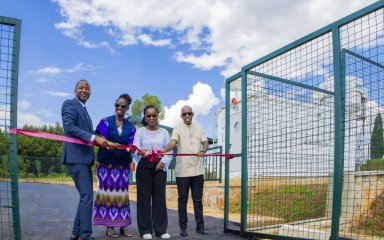
Rwanda on Thursday inaugurated its first Automatic Upper-Air Station, a facility designed to strengthen the (…)