Rwanda launches first upper-air weather monitoring station
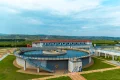
Rwanda on Thursday inaugurated its first Automatic Upper-Air Station, a facility designed to strengthen the (…)


Rwanda plans to introduce a law regulating livestock farming as part of broader efforts to increase agricultural production and improve standards across the sector, Agriculture and Animal Resources Minister Dr. Telesphore Ndabamenye said.
Addressing the Senate on Jan. 19, 2026, Ndabamenye said the proposed legislation would provide a clear legal framework for livestock farming, covering production practices, input supply and quality control. He said the absence of a comprehensive law has limited enforcement and contributed to unregulated activities in some parts of the sector.
The government is focusing on expanding cattle farming, small livestock and aquaculture to raise output over the next five years. Fish production is projected to rise to 77,000 metric tons by 2029, up from 52,000 tons in 2025. Egg production is expected to increase from 17,000 tons in 2024 to 21,000 tons, while milk output is forecast to grow from about 1.09 billion liters in 2024 to 1.3 billion liters by 2029.
Ndabamenye said the law would regulate livestock support services, including animal feed and vaccines, and set quality standards to reduce risks linked to informal production and distribution. He said enforcement mechanisms would allow authorities to penalize violations and issue additional regulations where needed.
The minister said the law would also help address challenges such as the illegal transportation of livestock, which has been difficult to control in the absence of clear legal provisions.
Once adopted, the ministry plans to conduct outreach and training programs to help farmers understand and comply with the new requirements, Ndabamenye said.
He also confirmed that a separate law governing agriculture is being drafted, though both bills remain under review. Once approved, authorities will outline their objectives and expected impact on productivity.
Rwanda plans to enact two separate laws, one for agriculture and another for livestock. Jean Claude Ndorimana, director general for livestock development at the Ministry of Agriculture and Animal Resources, said the livestock law would also pave the way for registering Inyambo cattle as Rwanda’s natural heritage at the international level.

Rwanda on Thursday inaugurated its first Automatic Upper-Air Station, a facility designed to strengthen the (…)

Rwanda Development Board (RDB) has temporarily suspended operations at four hotels after inspections found they (…)
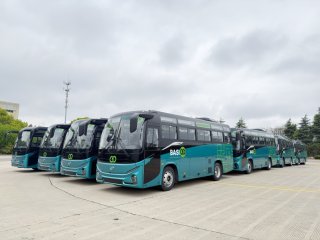
Electric bus company BasiGo plans to introduce 18 new electric passenger buses in Rwanda as part of efforts to (…)

Minister of Foreign Affairs and International Cooperation, Olivier Nduhungirehe, met South Korean President Lee Jae (…)