Cabinet approves national artificial intelligence institute
The Cabinet has approved the establishment of a national artificial intelligence institute to advance the (…)

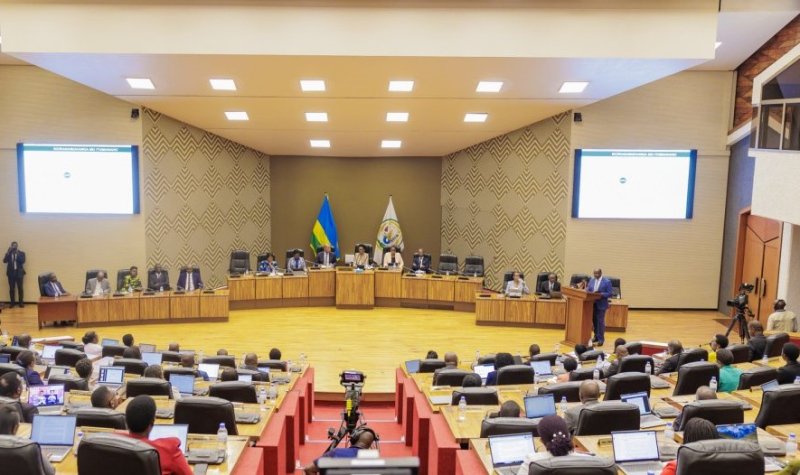
Rwanda will construct more than 300 kilometers of national paved roads and over 500 kilometers of feeder roads by 2029 as part of a sweeping five-year plan to boost infrastructure, agriculture, and economic growth, Prime Minister Dr. Justin Nsengiyumva said Tuesday.
Presenting the 2024–2029 government program to both chambers of Parliament, Dr. Nsengiyumva outlined projects aimed at improving transport for people and goods, modernizing agriculture, and expanding trade.
“Over 300 kilometers of national roads will be built or rehabilitated, and more than 500 kilometers of feeder roads will be developed to help farmers and livestock keepers get their produce to markets,” he said.
The government expects a 50% increase in agricultural and livestock output during the period, driven by better infrastructure and access to markets.
The Prime Minister also announced measures to promote electric vehicles as part of efforts to cut emissions, alongside plans to expand public transport in Kigali to ease rush-hour congestion.
RwandAir will expand its routes, double passenger numbers, and increase cargo capacity to support exporters. The new Kigali International Airport is scheduled for completion in the 2027/2028 fiscal year, a move expected to enhance Rwanda’s role in regional and international air transport.
By 2029, Rwanda’s per capita income is projected to grow from $1,040 to just over $1,360, underscoring the government’s confidence in the plan’s impact.

The Cabinet has approved the establishment of a national artificial intelligence institute to advance the (…)
The International Monetary Fund (IMF) has approved a $250 million loan for Rwanda under its Extended Credit Facility (…)
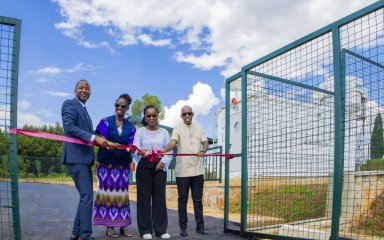
Rwanda on Thursday inaugurated its first Automatic Upper-Air Station, a facility designed to strengthen the (…)

Rwanda Development Board (RDB) has temporarily suspended operations at four hotels after inspections found they (…)