Rwanda inflation rises to 12.3% in May 2026
Consumer prices in Rwanda rose 12.3% in May 2026 compared with the same month a year earlier, continuing an upward (…)

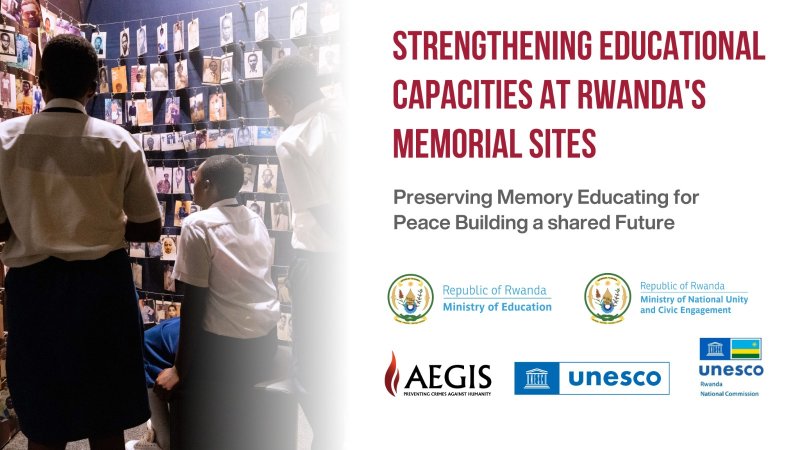
Rwanda has launched a new initiative to strengthen genocide education for young people by expanding the educational role of memorial sites dedicated to the 1994 Genocide against the Tutsi.
The program, titled “Strengthening Educational Capacities at Rwanda’s Memorial Sites,” was announced Tuesday by Aegis Trust, an international organization focused on genocide prevention and education, in partnership with the Rwandan government, UNESCO and other partners.
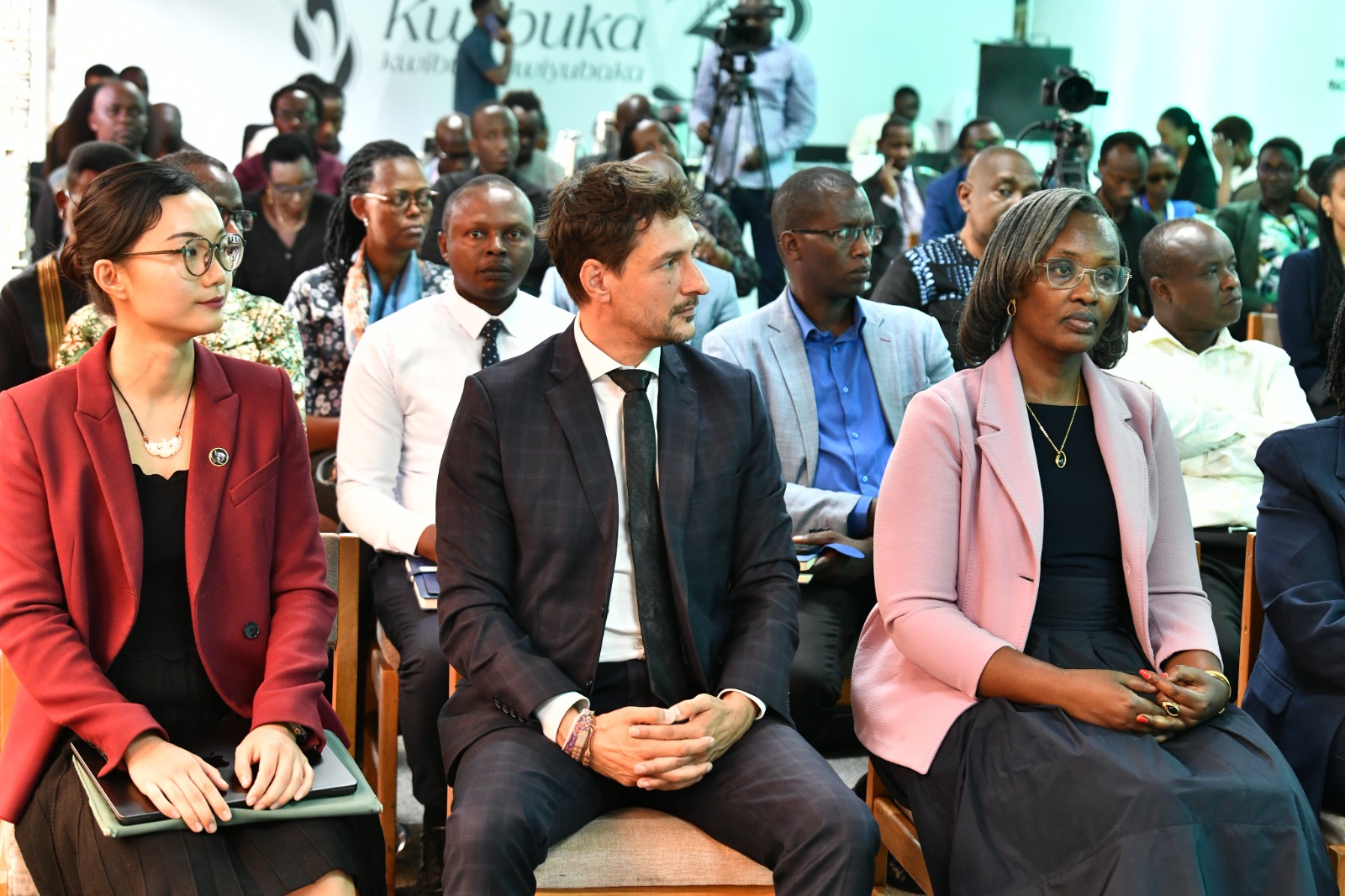
The initiative is designed to help students better understand the history of the genocide, reflect on its consequences and reinforce efforts to prevent similar atrocities in the future.
It will initially focus on the Kigali Genocide Memorial, Murambi, Nyamata and Bisesero, all inscribed on UNESCO’s World Heritage List. Organizers say the program will strengthen the ability of memorial sites to respond to questions from young visitors and provide more structured educational engagement.
Joel Benita Habiyambere, director of partnerships at Aegis Trust, said visitors often leave memorial sites with difficult questions that are not always easy to address, particularly for younger audiences.
“Especially for those between the ages of 12 and 18, there are many questions they ask,” Habiyambere said. “At the same time, adults may feel unprepared for the conversations that follow a visit to a memorial site.”
Dr. Rose Baguma, head of education policy department at the Ministry of Education, said education plays a central role in helping children understand Rwanda’s history while promoting peaceful coexistence.
Karel Fracapane, a UNESCO program specialist focused on heritage and historical memory, said memorial sites offer a form of learning that goes beyond classroom instruction.
“These are places where the genocide occurred, and memorials help young people and others understand the reality of what happened,” Fracapane said. “They provide a powerful emotional connection that encourages empathy and a deeper understanding of the experiences of victims.”
The first phase of the project will run for 10 months and is expected to reach 56 educators working near the memorial sites, including counselors, as well as more than 1,500 students. The program will later expand to additional memorial sites and schools across Rwanda.

Consumer prices in Rwanda rose 12.3% in May 2026 compared with the same month a year earlier, continuing an upward (…)
The University of Rwanda (UR), has launched a four-year international research project aimed at developing a vaccine (…)

The Cabinet has approved the establishment of a national artificial intelligence institute to advance the (…)
The International Monetary Fund (IMF) has approved a $250 million loan for Rwanda under its Extended Credit Facility (…)