University of Rwanda Leads €15.3M Chikungunya Vaccine Project
The University of Rwanda (UR), has launched a four-year international research project aimed at developing a vaccine (…)

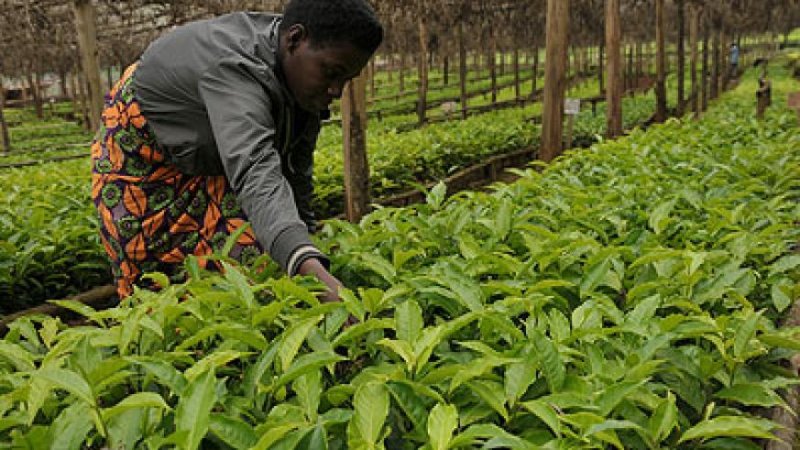
Rwanda’s National Agricultural Export Development Board (NAEB) has announced plans to plant 2.75 million coffee seedlings in the first planting season of 2026 as part of a nationwide effort to rejuvenate aging coffee plantations.
The initiative will replace trees over 30 years old and continue until 3,050 hectares of older coffee trees are renewed, NAEB said through X platform on January 20. The program is expected to boost both the quantity and quality of coffee produced for export.
Coffee remains one of Rwanda’s most important cash crops. In 2025, the country exported 23,860 metric tons, generating more than 216 billion Rwandan francs in revenue.
Under the government’s five-year Strategic Plan for the Transformation of Agriculture Phase 5 (PSTA 5), set to conclude in 2029, Rwanda aims to earn $160 million from high-quality coffee exports. NAEB said the seedling program is central to achieving that goal and strengthening the livelihoods of smallholder farmers.
Through the Smallholder Coffee Agronomy Project (PSAC), NAEB will implement two key measures: replacing trees older than 30 years and rejuvenating declining trees that are at least seven years old.
Over the next four years, the project will cover six districts—Karongi, Nyamasheke, Rusizi, Huye, Ruhango, and Nyamagabe—and will see more than nine million seedlings planted across 3,050 hectares.
NAEB projects that coffee export revenues could nearly double, from $3.5 billion to $7.3 billion by 2029, fueled by higher production and improved bean quality. Officials said the program will also provide economic benefits for farmers and contribute to Rwanda’s broader agricultural growth strategy.

The University of Rwanda (UR), has launched a four-year international research project aimed at developing a vaccine (…)

The Cabinet has approved the establishment of a national artificial intelligence institute to advance the (…)
The International Monetary Fund (IMF) has approved a $250 million loan for Rwanda under its Extended Credit Facility (…)
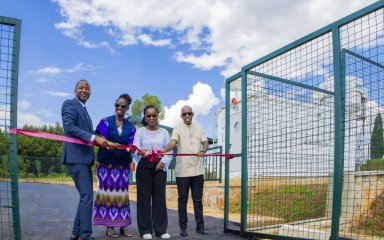
Rwanda on Thursday inaugurated its first Automatic Upper-Air Station, a facility designed to strengthen the (…)