MINUBUMWE updates strategy to combat hate speech, promote unity
The Ministry of National Unity and Civic Engagement (MINUBUMWE) says it is updating its strategy to prevent and (…)

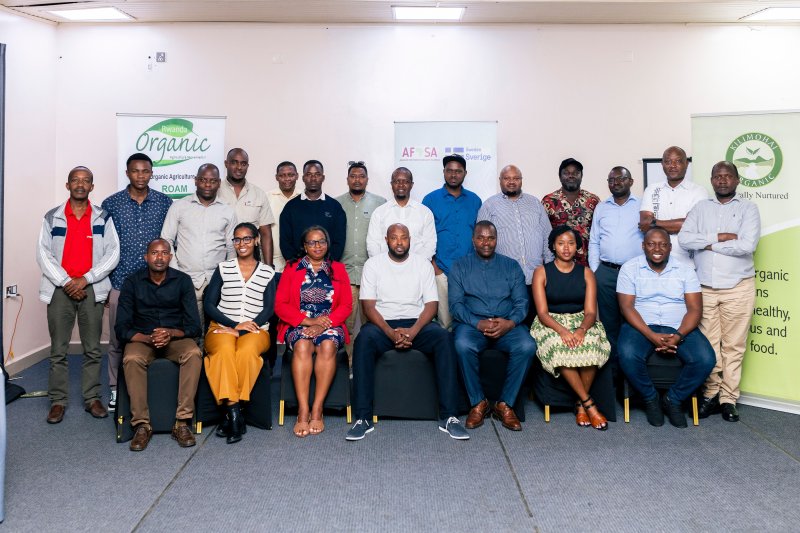
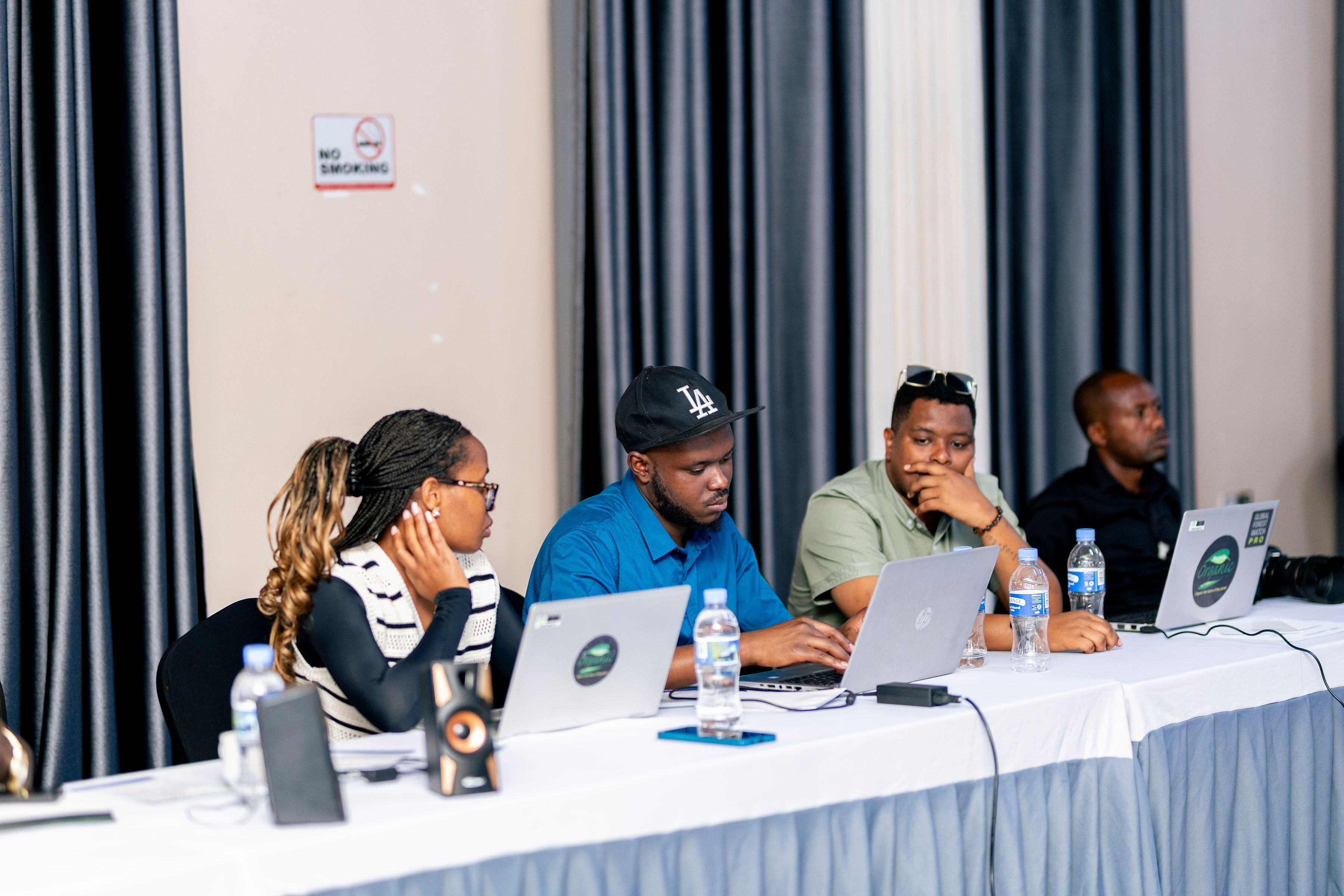
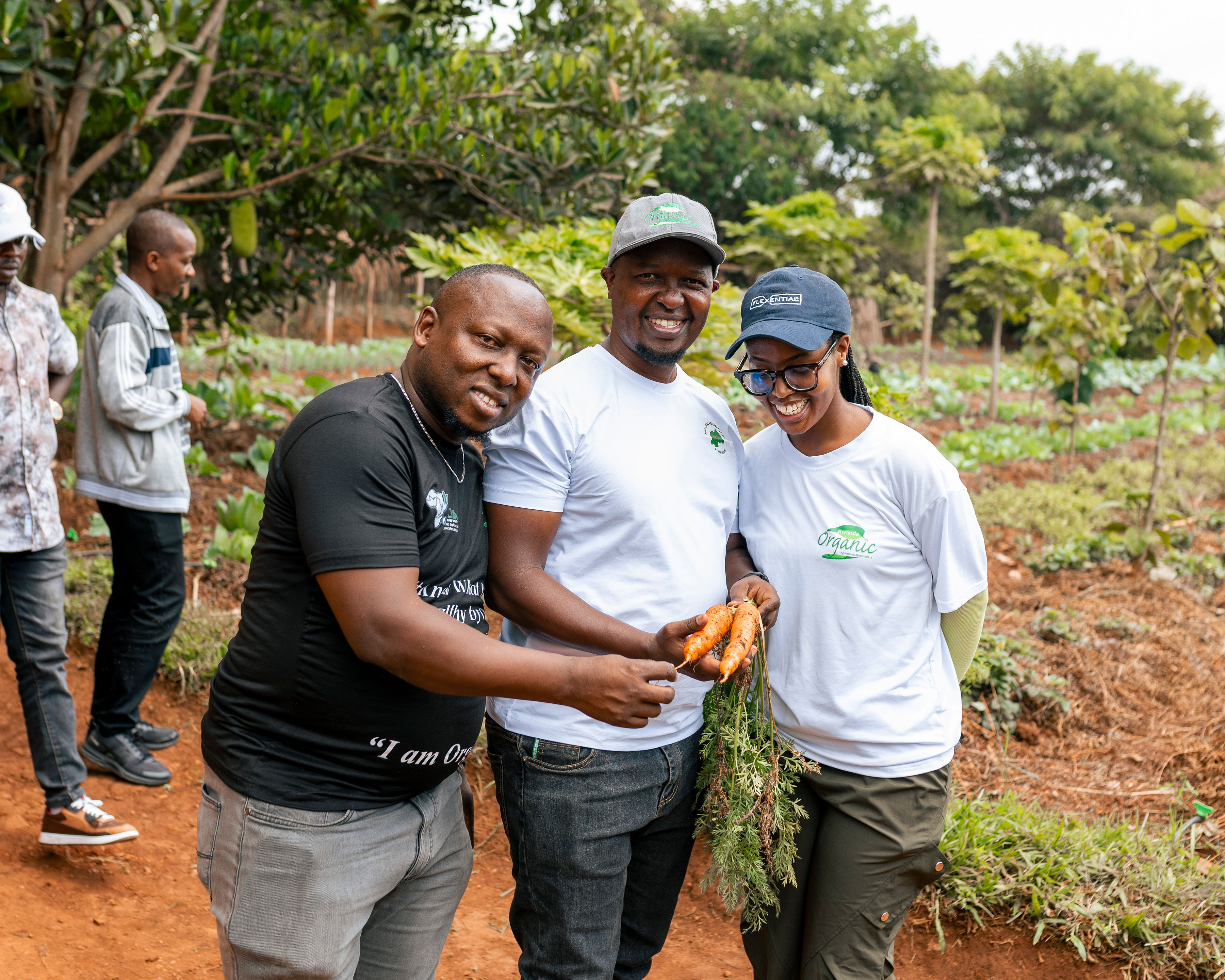
A two-day workshop organized by the Rwanda Organic Agriculture Movement (ROAM) aimed to strengthen media coverage of agroecology and organic agriculture in Rwanda, highlighting the role of sustainable farming in improving food security and regional trade.
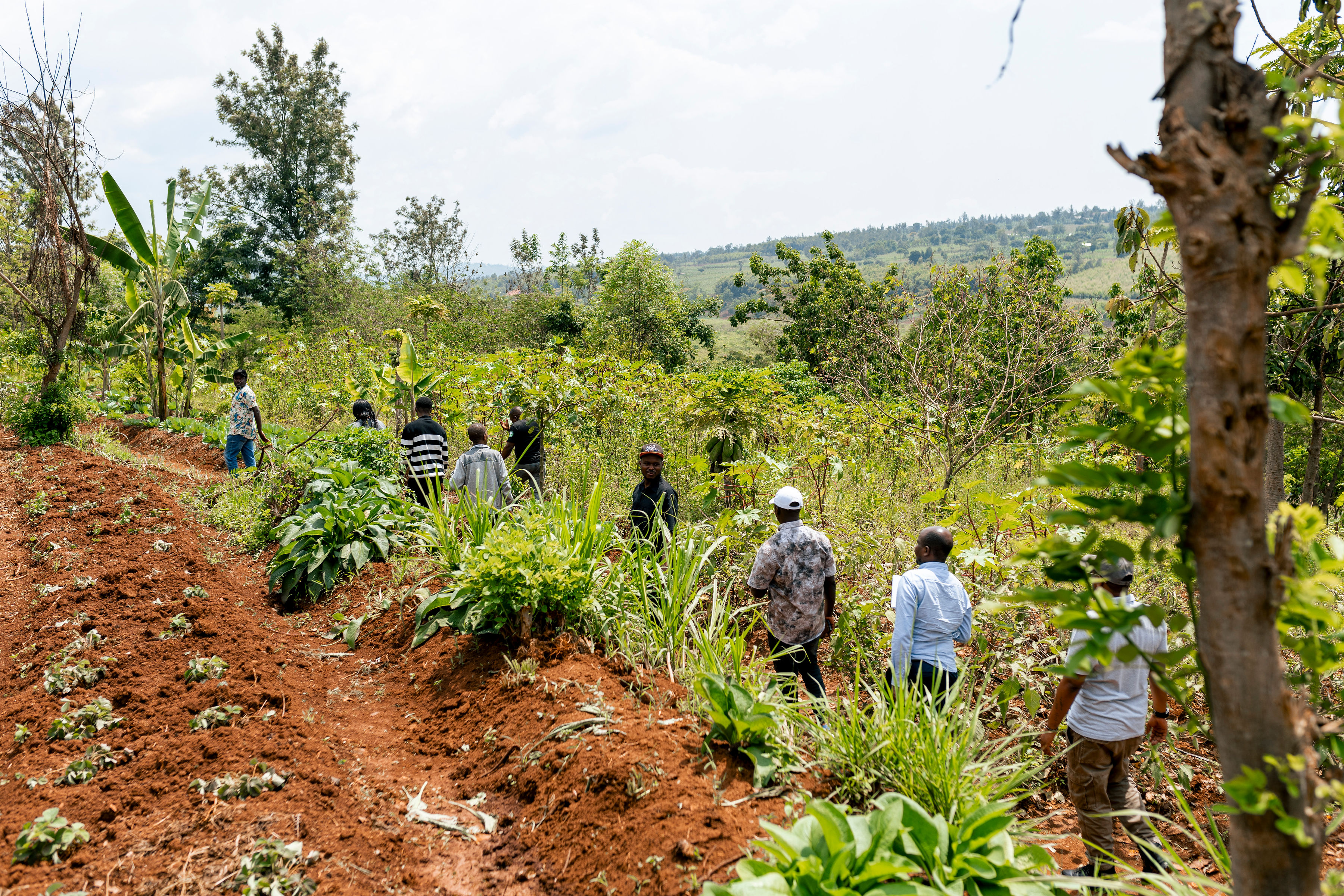
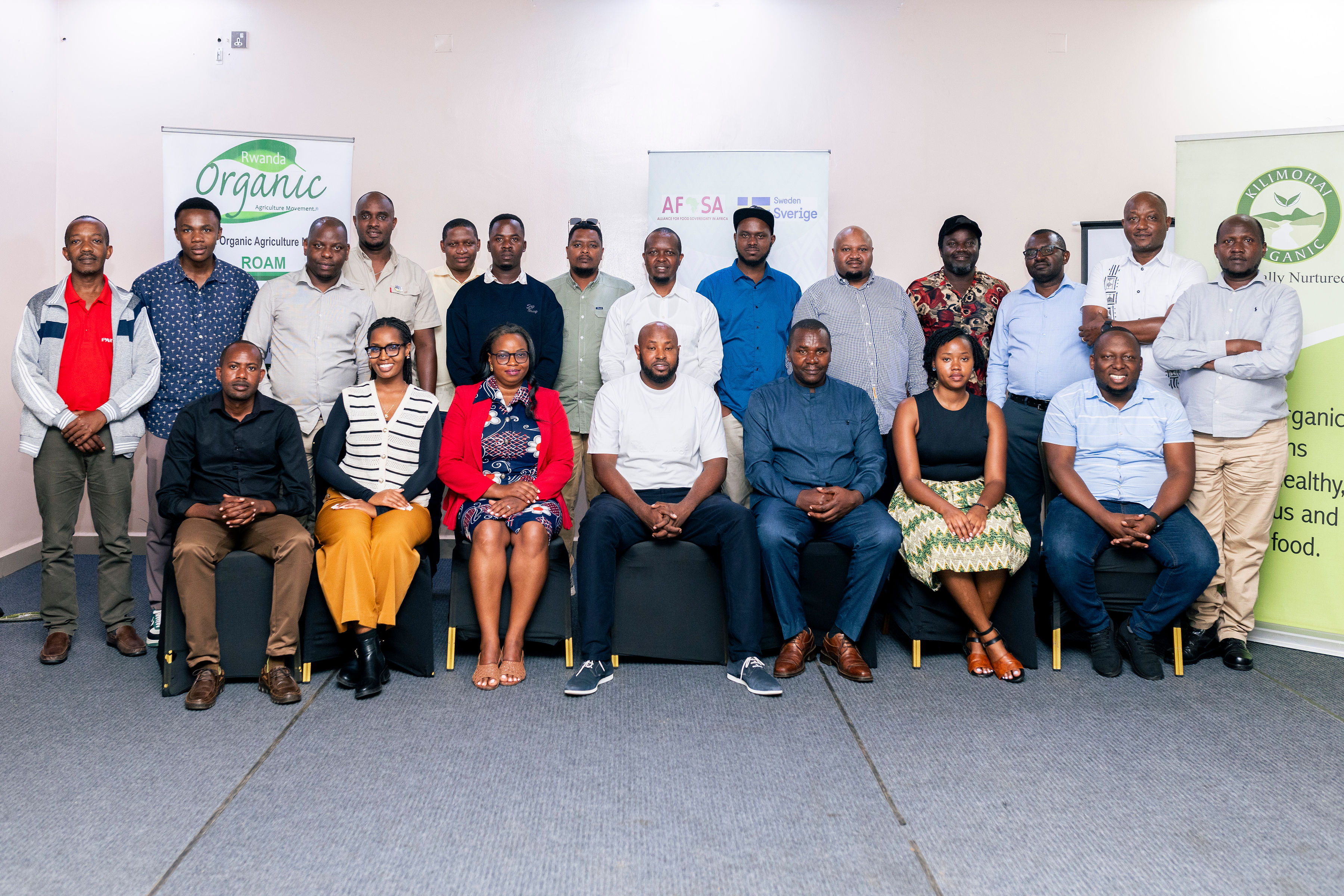
The workshop, held from Jan. 21 to 22, 2026, brought together journalists and media professionals to learn about organic farming practices and the broader benefits of agroecological production systems. The initiative was implemented in collaboration with the Alliance for Food Sovereignty in Africa (AFSA) under a project designed to amplify cross-border trade of agroecological products in Rwanda and the East African Community region.
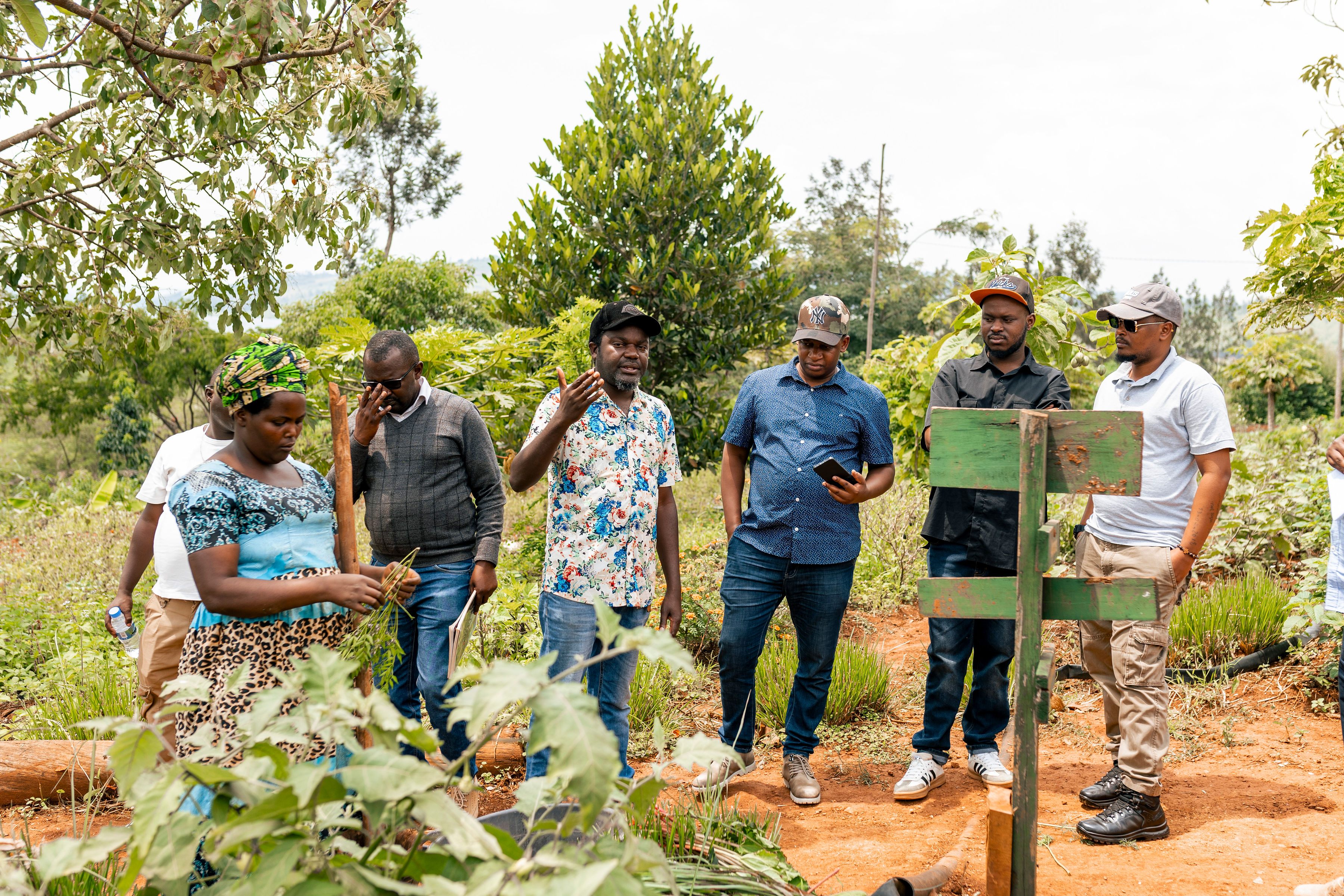
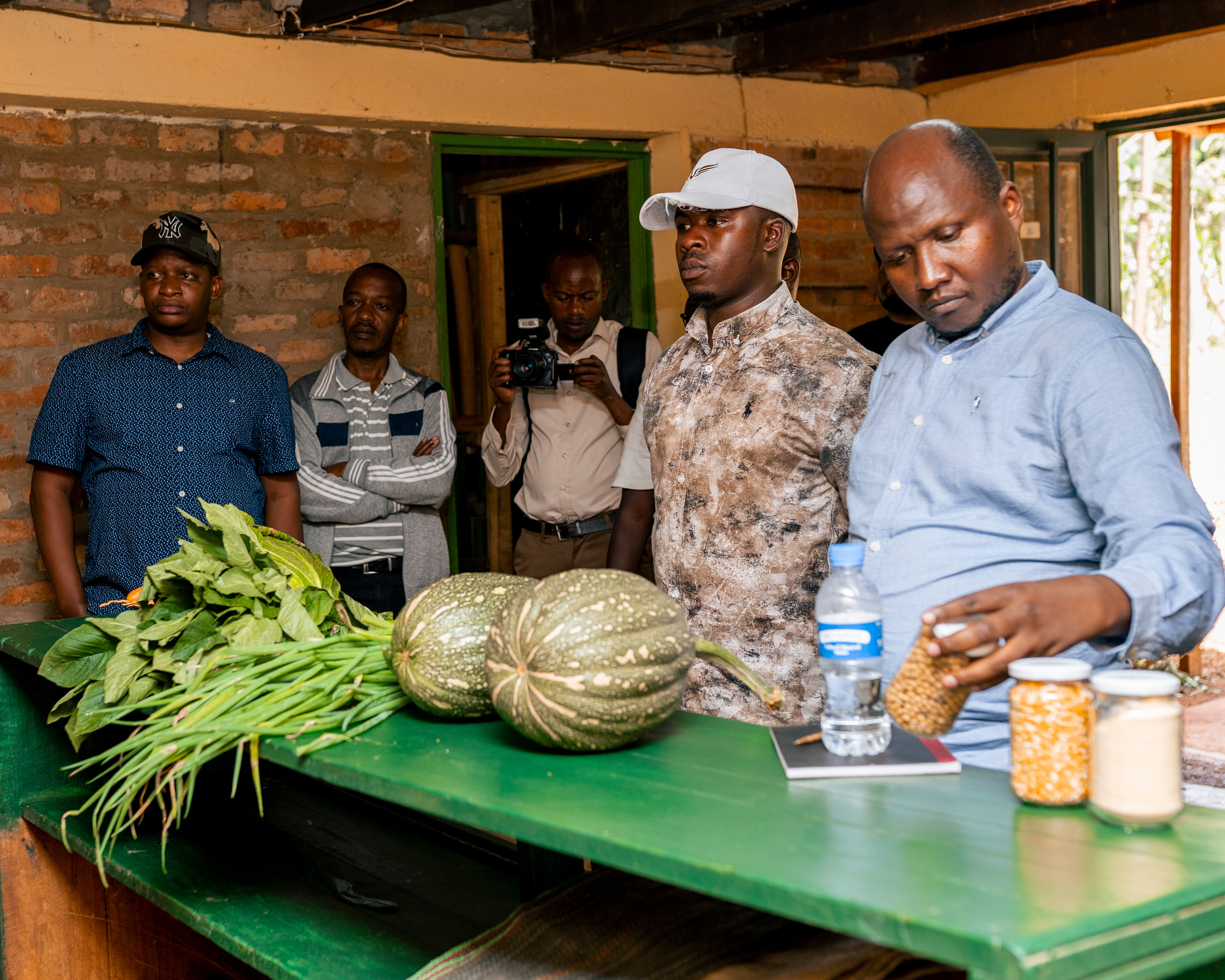
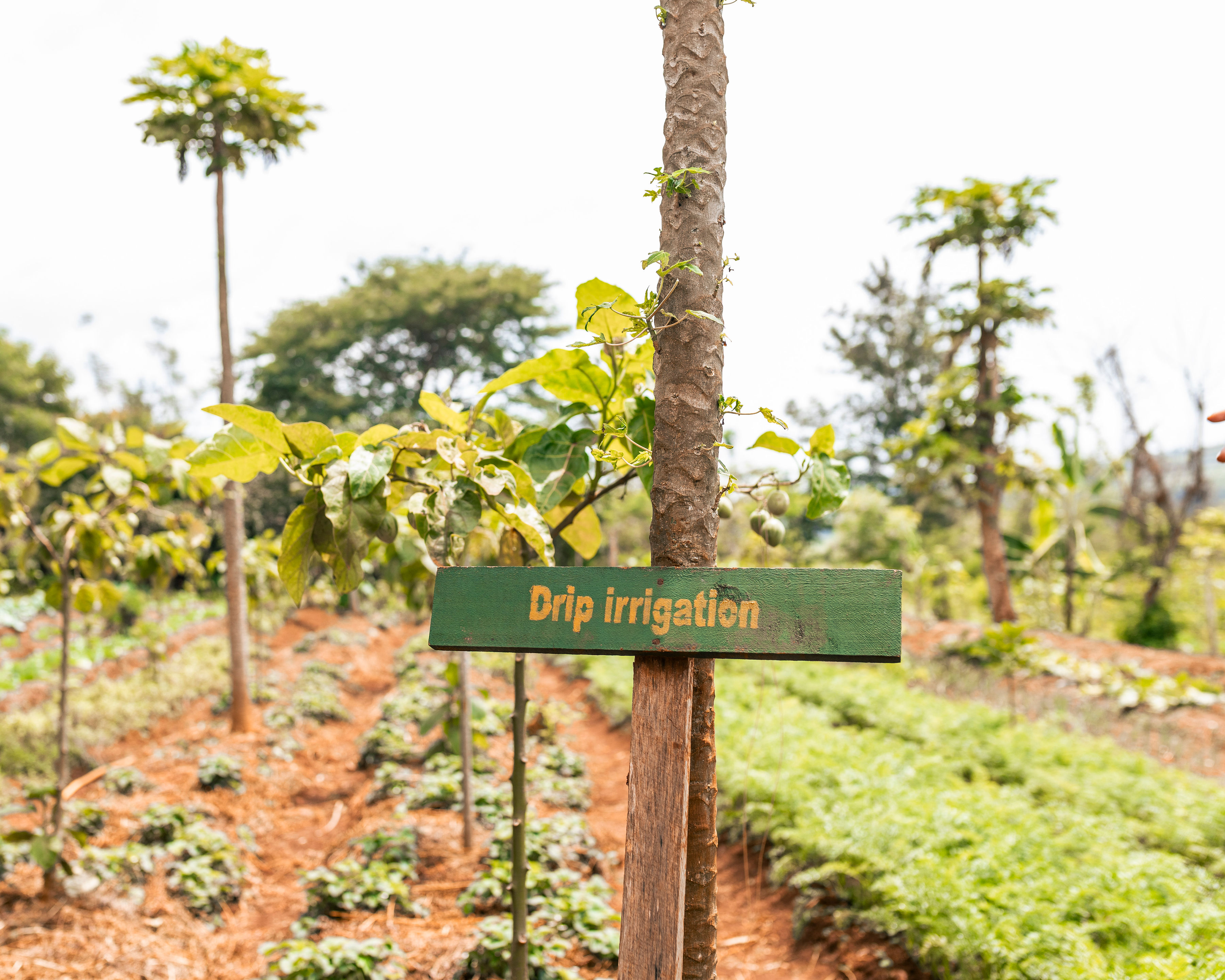
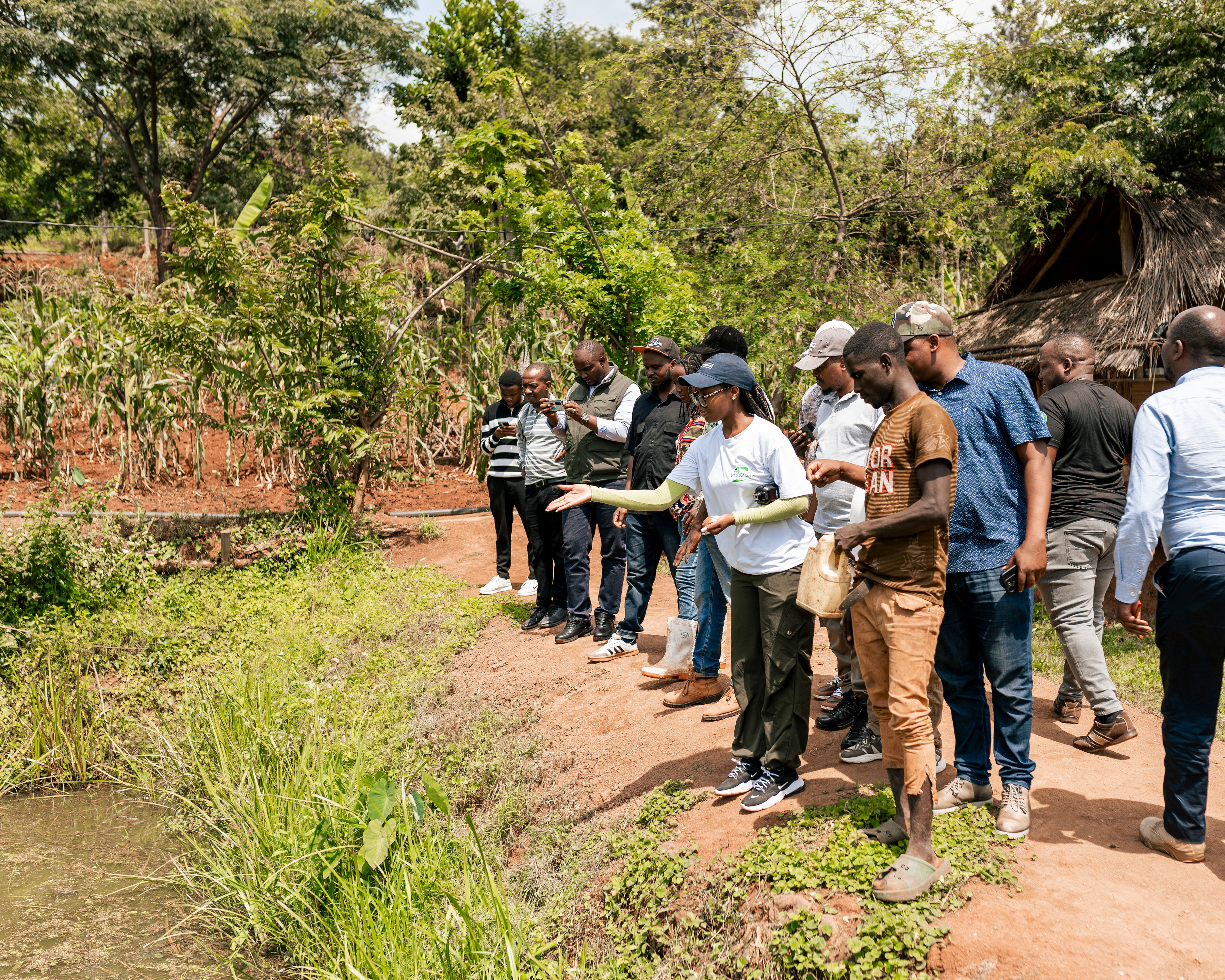
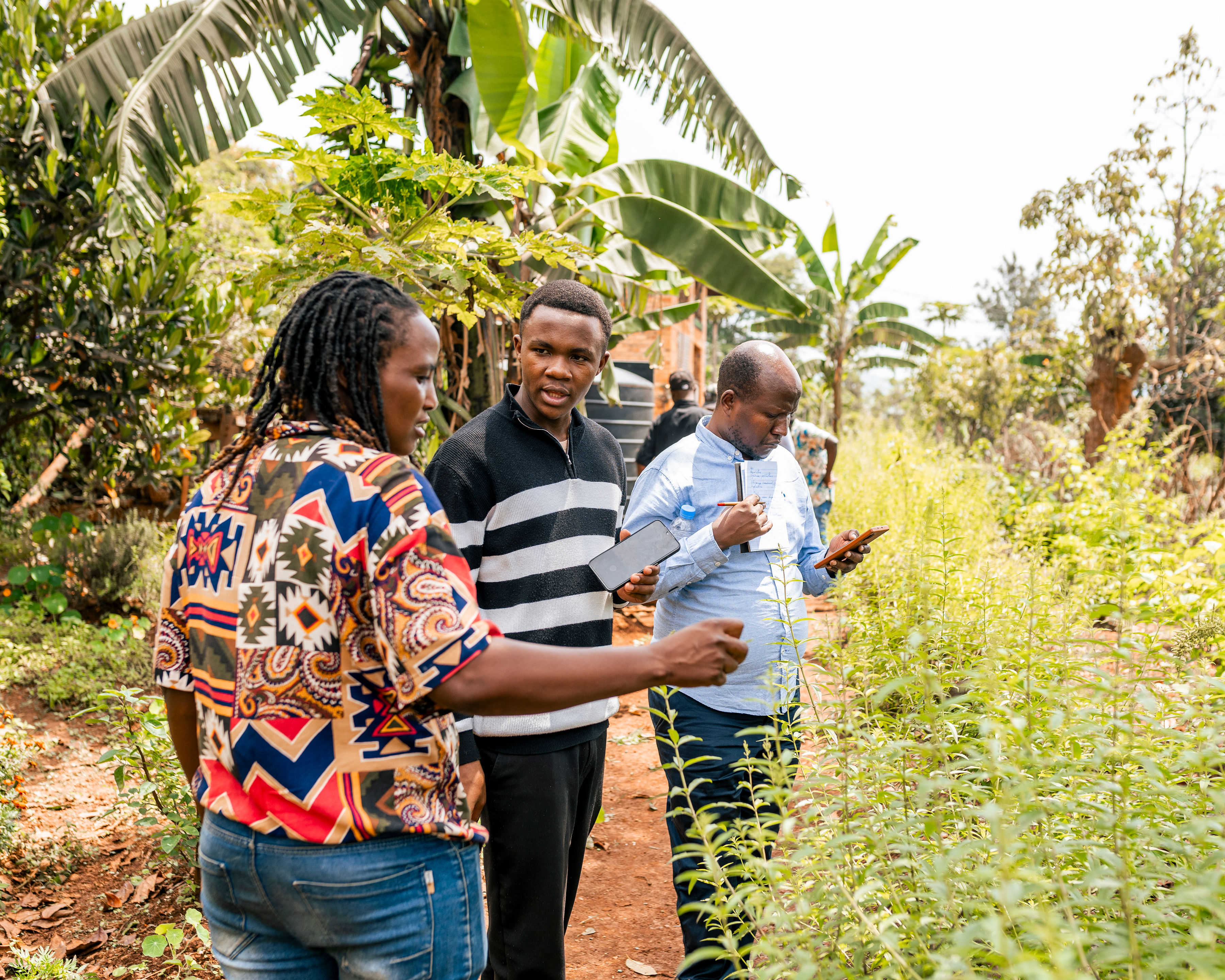
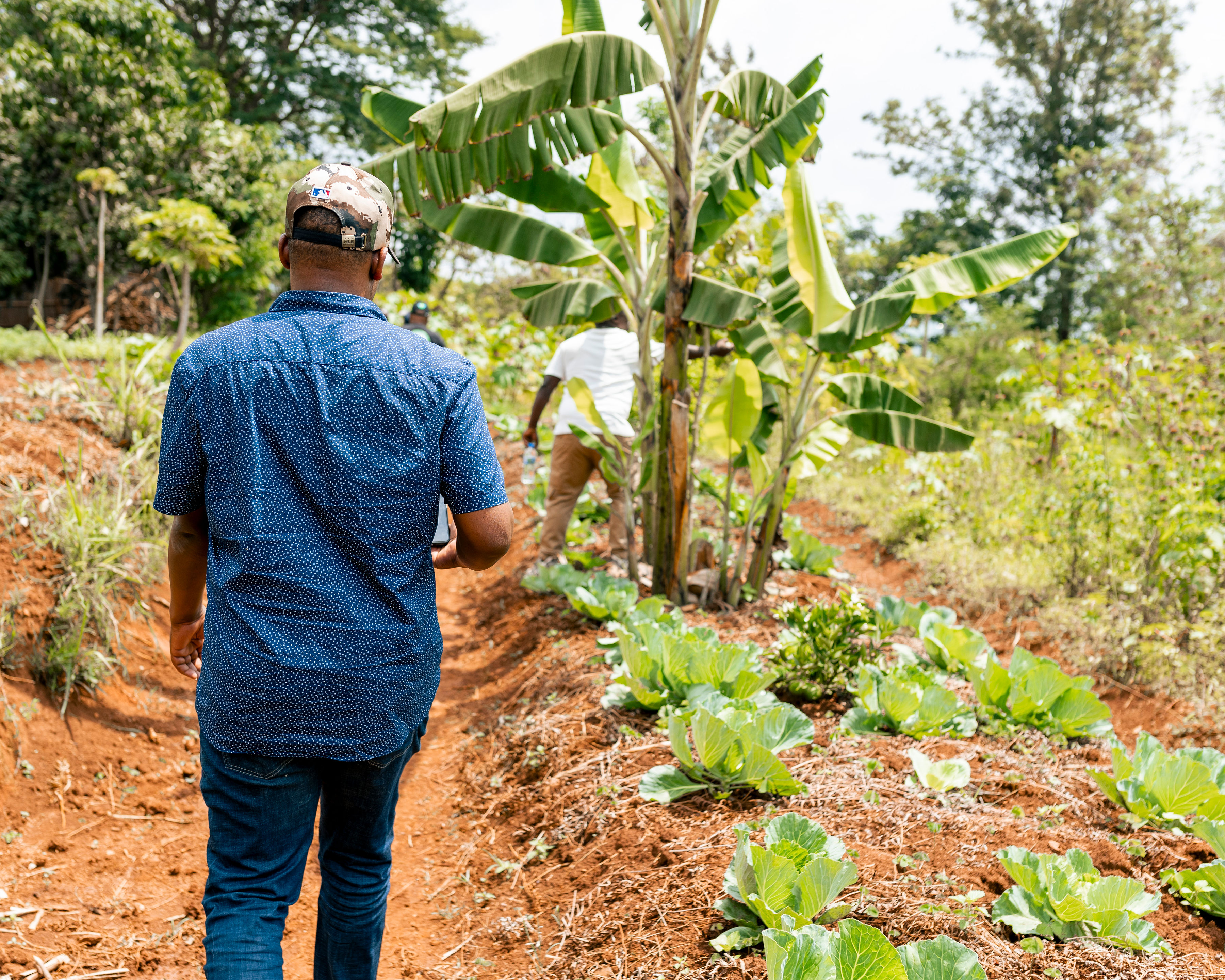
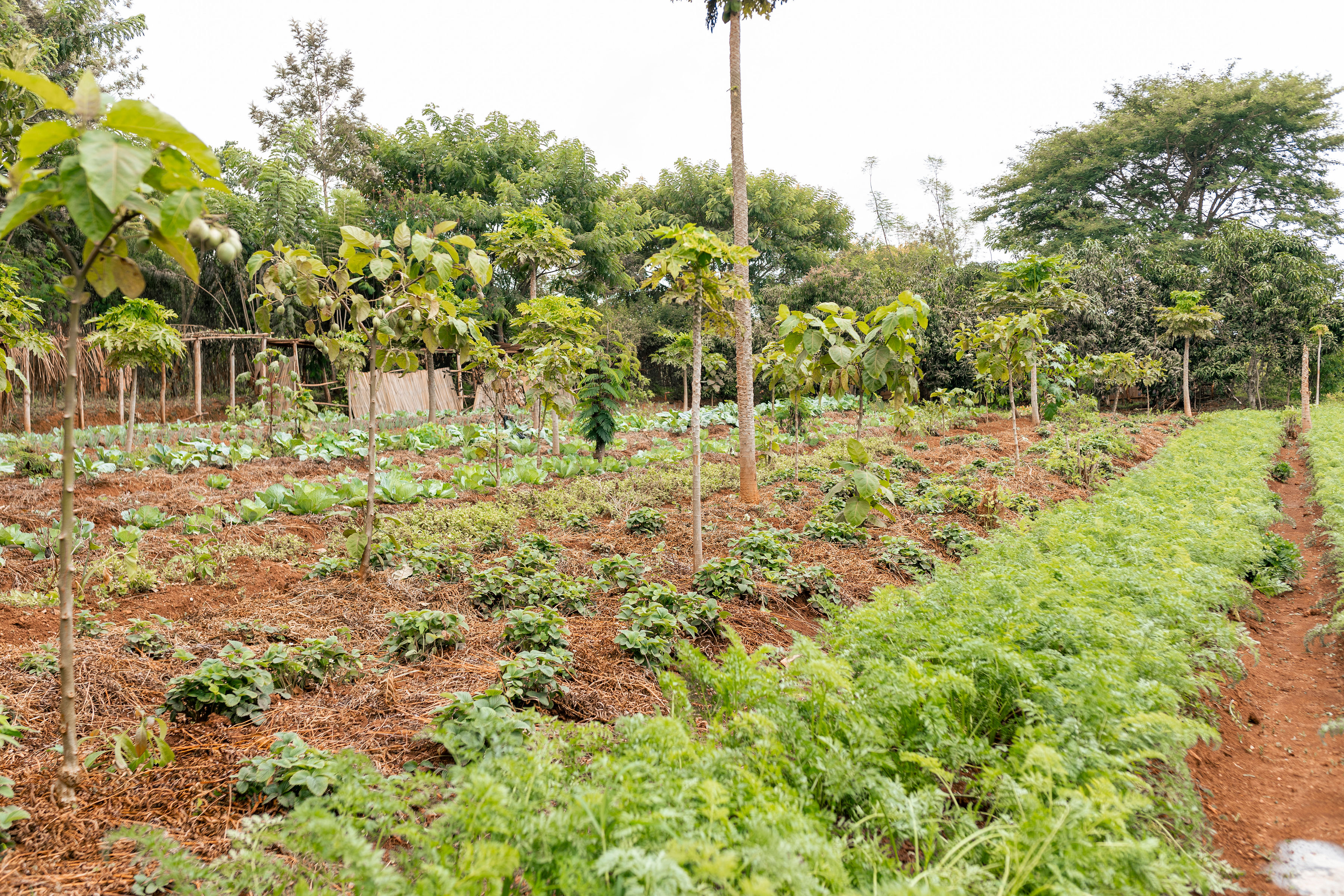
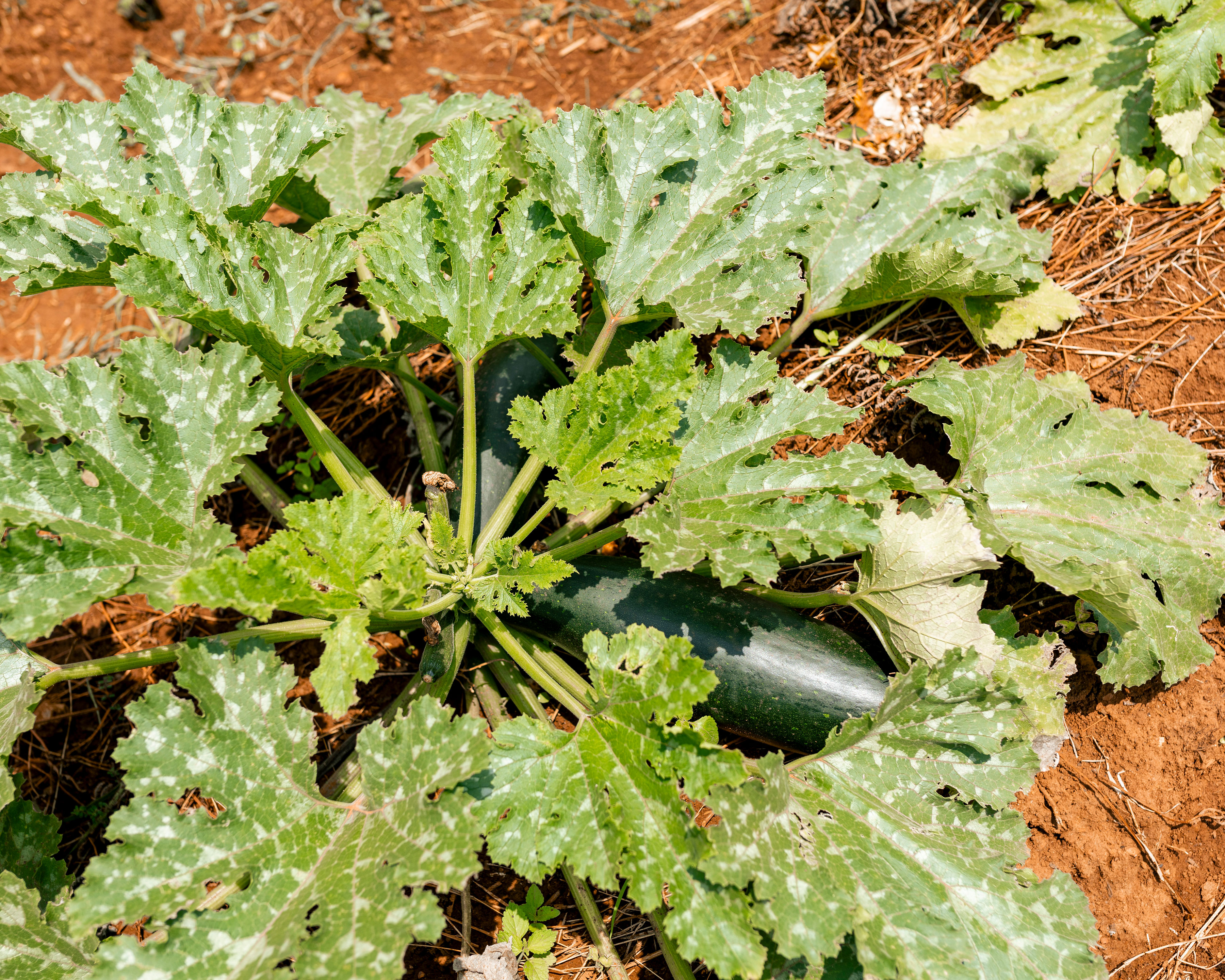
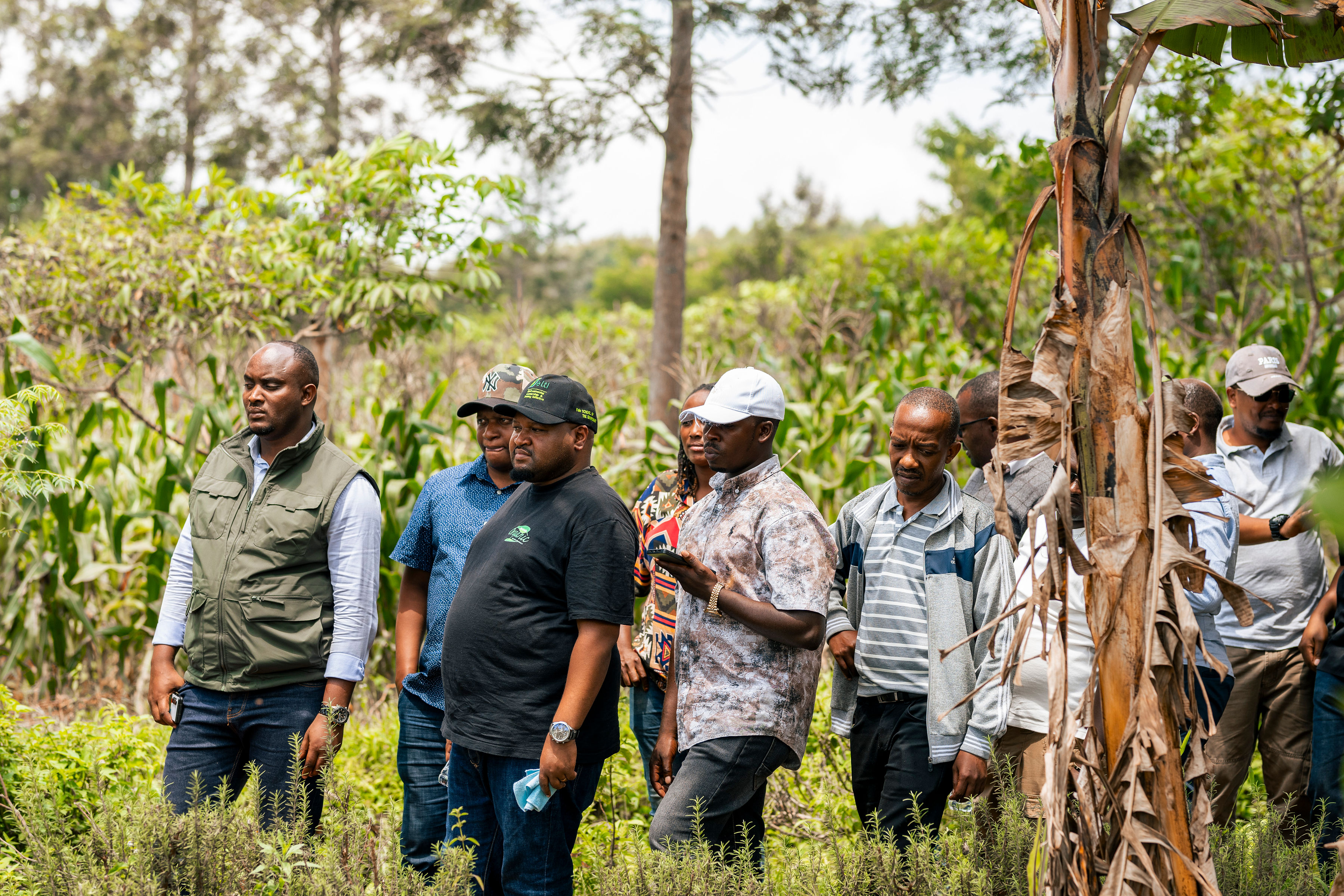
On the first day, journalists visited Knowledge Centre for Organic Agriculture (KCOA) demonstration farm in Ngoma District, managed by Albert Nkunda, where they observed organic farming methods and learned about sustainable crop management.
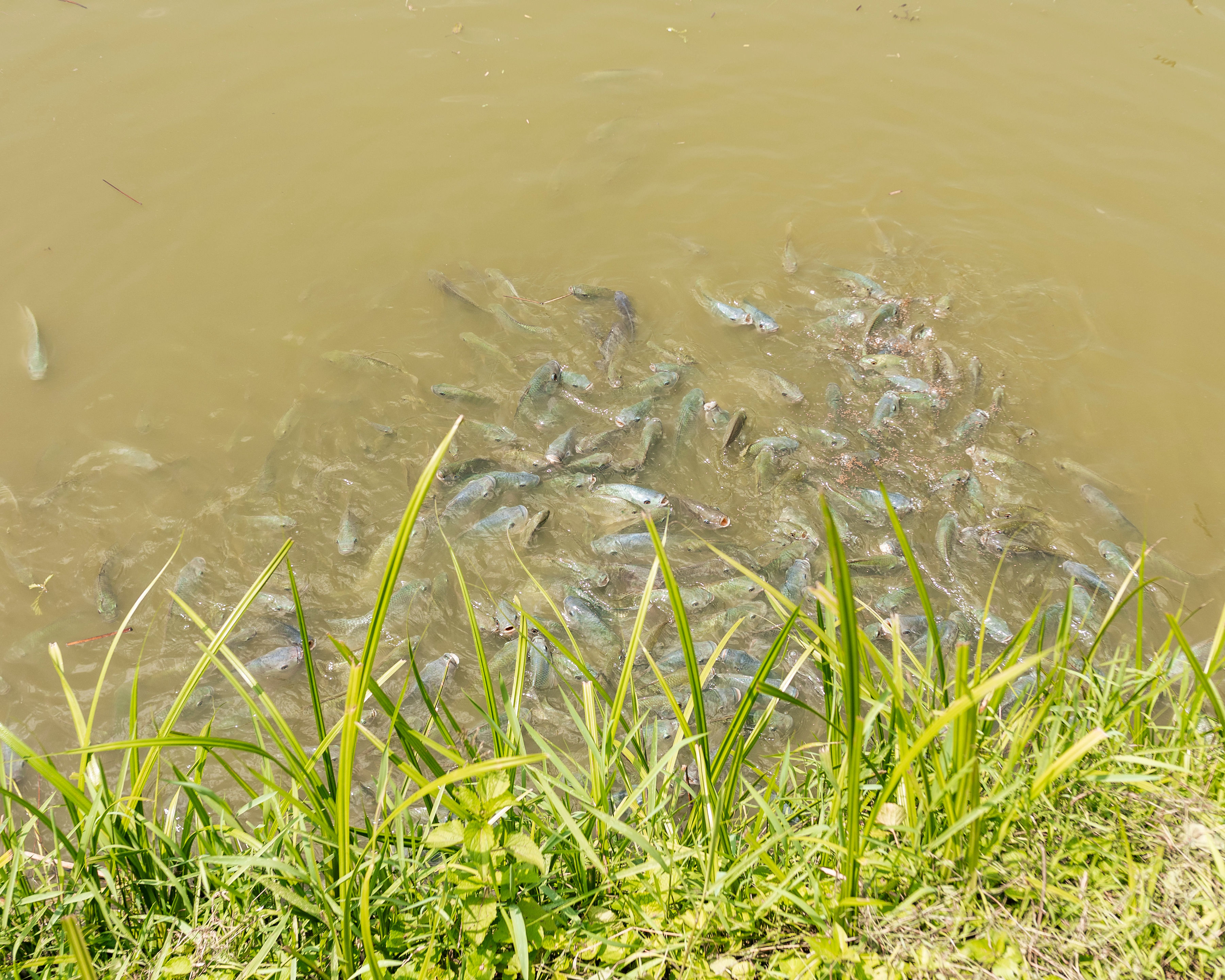
Nkunda said organic agriculture relies on diversity and integration rather than specialization. He said his farm includes multiple crops and livestock including cows, pigs, chickens, fish, rabbits and bees and uses natural pest-repellent plants. “Our farming system is fully integrated,” he said, adding that the approach allows farmers to recycle inputs within the farm and reduce dependence on external supplies.
On another note, he explained that his system uses fish pond water to irrigate crops, while crop residues feed livestock and fish, and livestock manure returns to the fields. He said organic farming starts with restoring degraded soil and protecting biodiversity, using practices such as agroforestry, water-harvesting trenches and terraces. “Chemical fertilizers and pesticides may give high yields in a short time, but they ultimately degrade soils and weaken crops,” he said.
He also added his willingness to train other small-scale farmers through the demonstration farm as previously done and urged support from the government and other stakeholders to strengthen their activities.
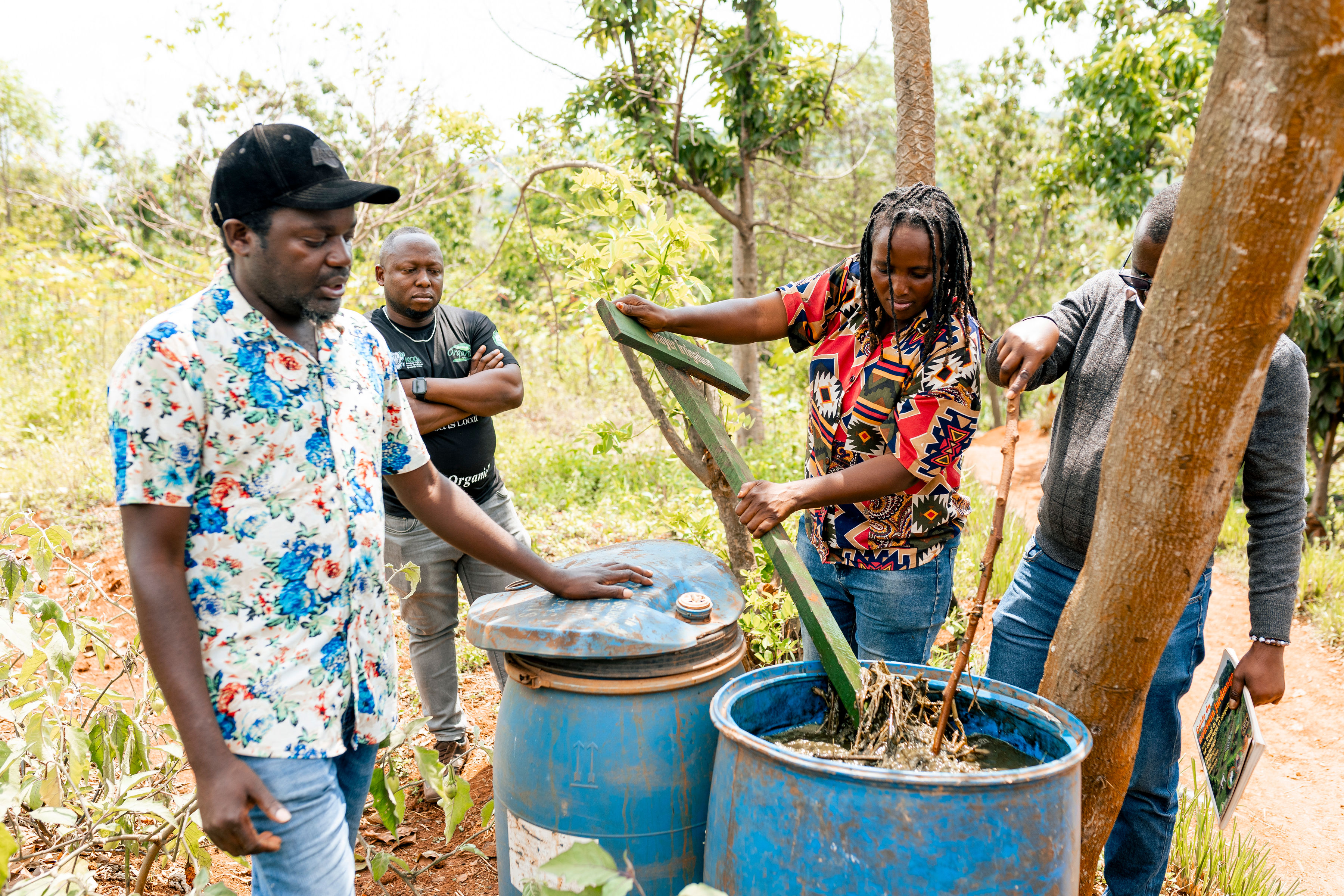
“I have been able to train other small-scale farmers from my demonstration farm, and they have embraced the importance of organic farming,” Nkunda said. “We call upon the government and other stakeholders to help us in our farming activities so that we can enhance organic farming and also be able to take enough produce to the market.”
In an exclusive interview with a market trader from Kimironko market, Mutoni Joselyne who sells fruits and vegetables in Kigali said she has noticed growing demand for organic produce among her customers.
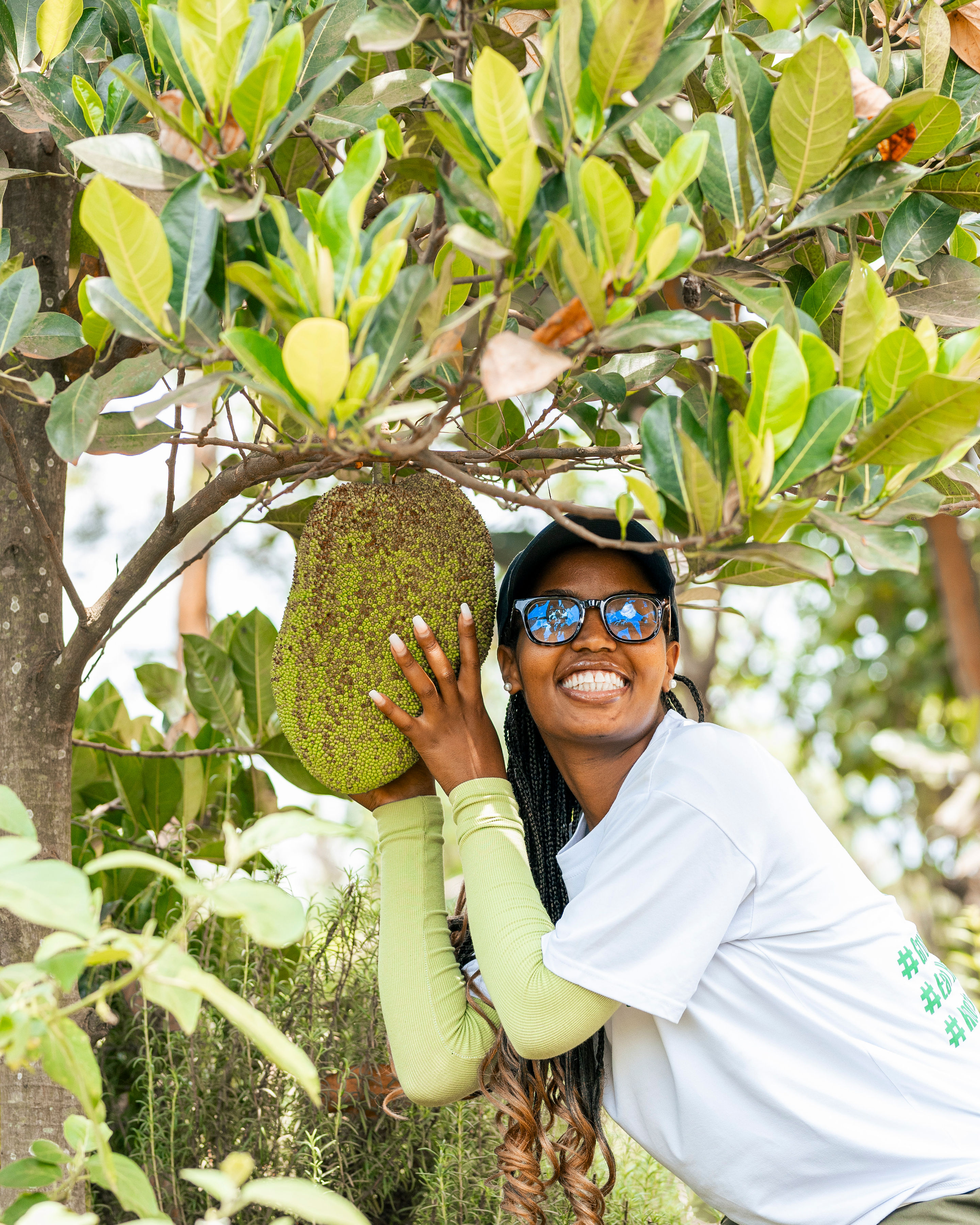
“Some clients come asking specifically for organic fruits and food,” the trader said. “They understand the importance of organic farm products for health, and they are willing to pay more for them. This shows that the market for organic food is growing though the supply is limited from the farmers.”
The second day featured a workshop at KIM Hotel, where Dieudonné Sindikubwabo, ROAM’s head of programs, provided a comprehensive overview of the organization’s mission, vision, and interventions.
ROAM, Rwanda’s first group to achieve PGS certification was established in 2007 and legally registered as a local NGO in 2014, represents more than 5,000 members across Rwanda, including producers, processors, retailers, exporters, researchers, and service providers. The organization supports value chains such as coffee, tea, essential oils, dried pineapples, macadamia, and fruits and vegetables.
Sindikubwabo emphasized that agroecology and organic farming promote soil health, biodiversity, resilience, and food sovereignty through ecological farming principles.
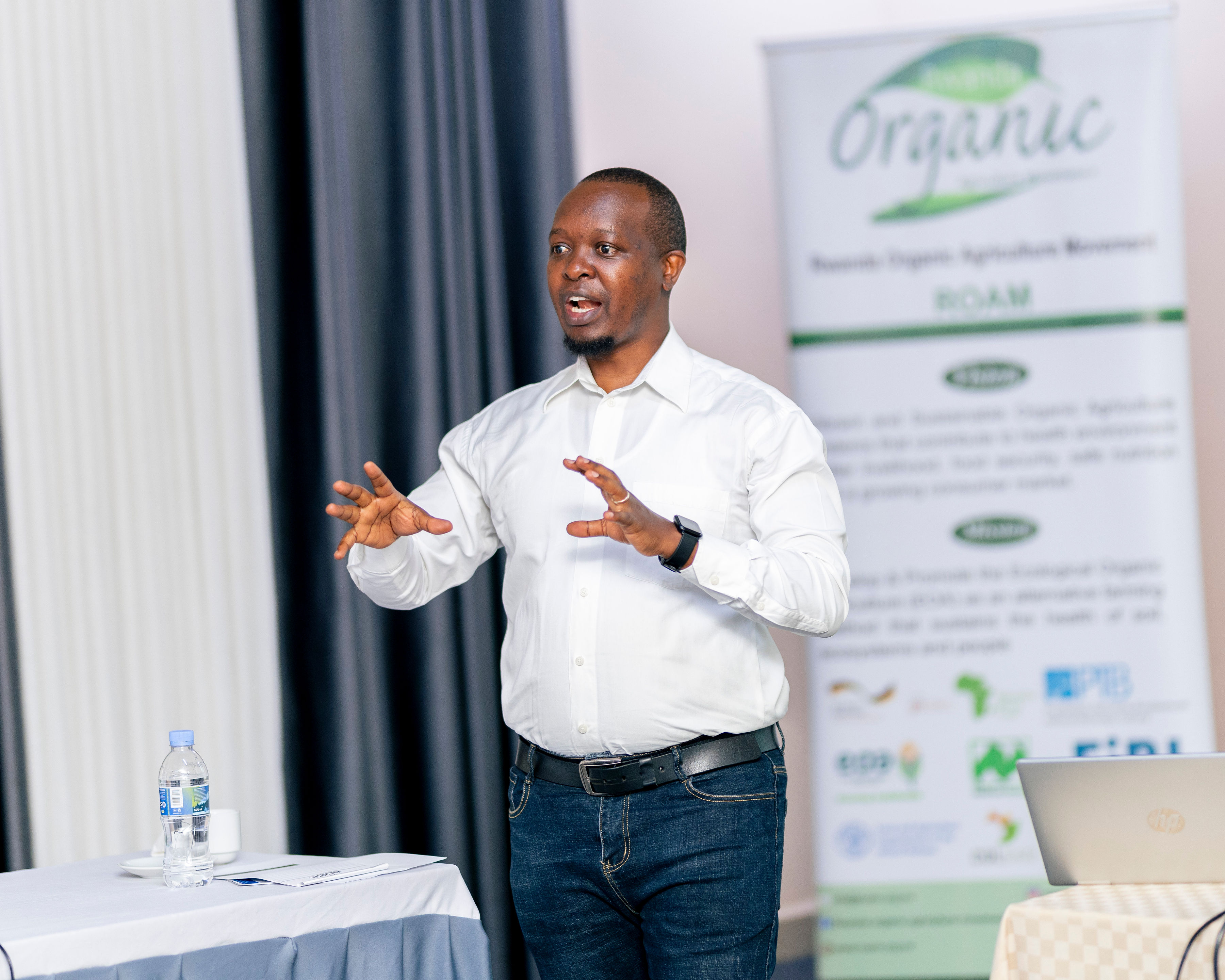
“Organic agriculture is a production system that sustains the health of soils, ecosystems, and people,” he said, citing the definition by the International Federation of Organic Agriculture Movement (IFOAM). He added that agroecology integrates ecological principles to manage interactions between plants, animals, humans, and the environment.
The workshop also addressed major challenges facing the organic sector in Rwanda, including a lack of policy frameworks, limited scientific evidence, low consumer awareness, high certification costs, and restricted access to organic markets.

Sindikubwabo highlighted additional constraints in agroecology, including limited infrastructure, high transition costs, and weak institutional support. He noted that these challenges hinder the adoption of sustainable practices despite rising demand for organic products both locally and internationally.
Despite these obstacles, the workshop identified opportunities in the sector, such as premium market access, climate resilience, growing consumer demand, and the development of organic input businesses like biofertilizers and biopesticides.

The training stressed agroecological principles including recycling, biodiversity, resilience, social values, food traditions, and responsible governance. It also promoted a circular and solidarity economy that supports local trade systems, cooperative networks, and reduced dependence on global supply chains.
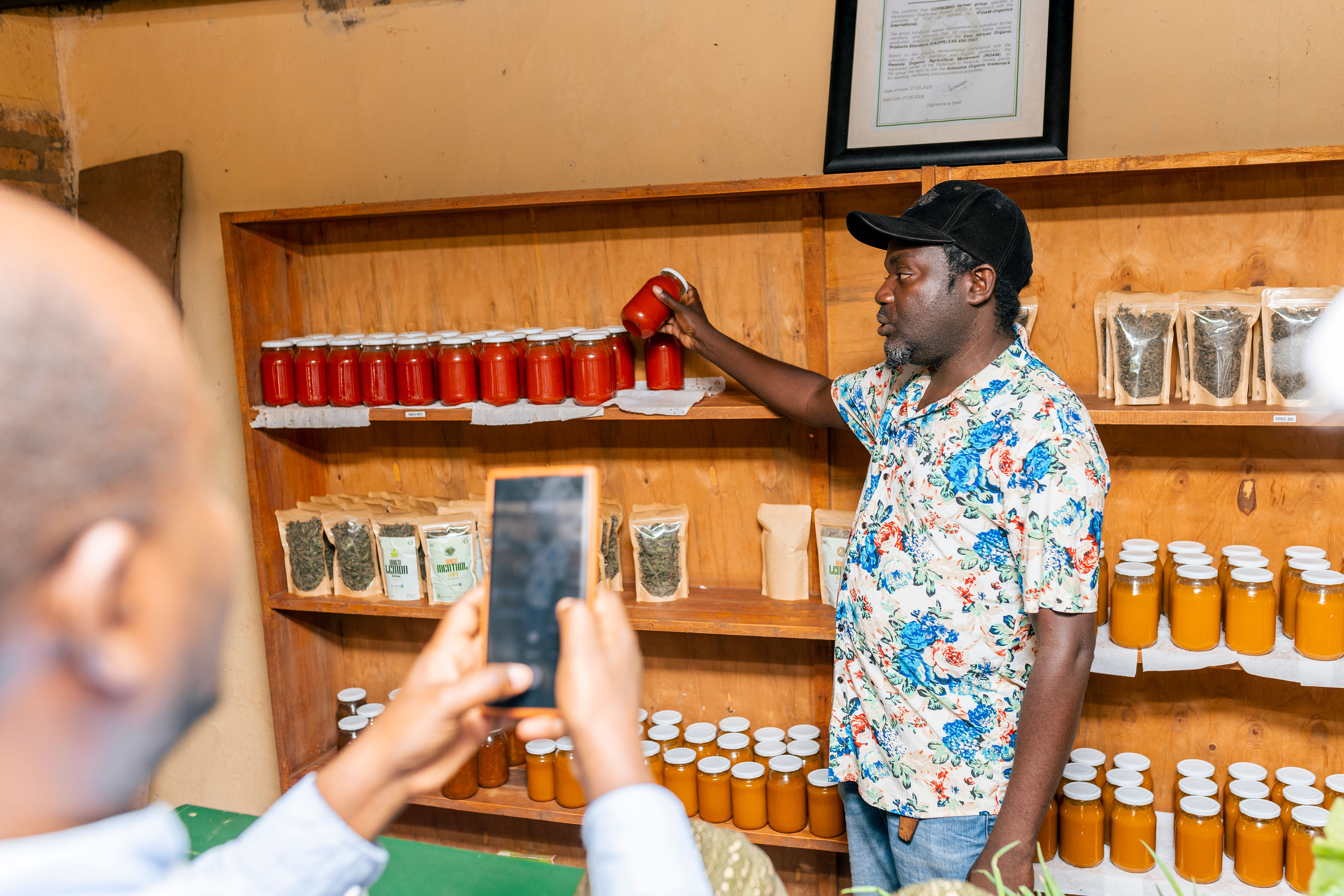
By equipping media professionals with knowledge of organic farming and agroecology, ROAM through it’s partners aims to improve public awareness of sustainable agriculture and stimulate demand for healthy and safe products, supporting both local livelihoods and regional economic integration.

The Ministry of National Unity and Civic Engagement (MINUBUMWE) says it is updating its strategy to prevent and (…)
Rwanda loses an estimated 150,000 tons of agricultural produce annually which is equivalent to nearly 30 percent of (…)
Awareness of autism is growing in Rwanda as health and education officials call for earlier identification, improved (…)

Rwanda has reaffirmed its commitment to strengthening East African integration as President Paul Kagame held talks (…)