
 RW
PM urges households to grow their own fruits as prices rise
Prime Minister Justin Nsengiyumva has urged Rwandan households to plant fruit trees around their homes to improve (…)

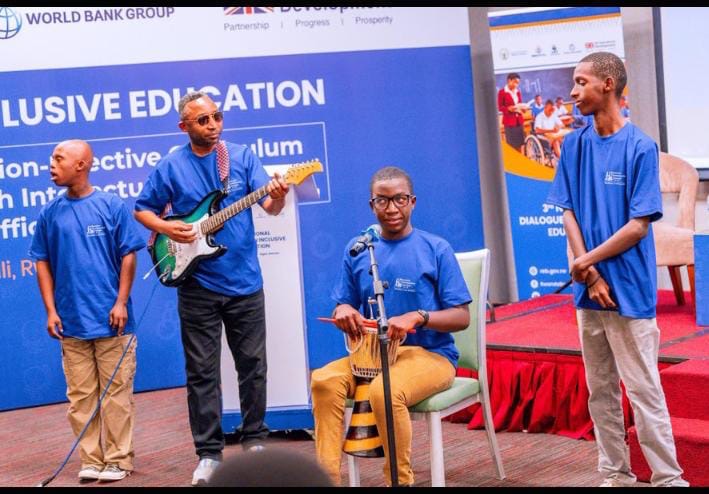
Some learners with disabilities in Rwanda struggle to remain in school because the teaching methods and curriculum do not always match their learning abilities. A planned specialised curriculum could help address this challenge by allowing them to learn and be assessed according to their individual needs.
The Ministry of Education announced the plan on November 27, 2026, during a meeting with education partners, including the World Bank and World Vision, focused on strengthening inclusive education.
State Minister for Education Claudette Irere said the country still needed to do more to ensure that children with disabilities received the support they needed to benefit from education.
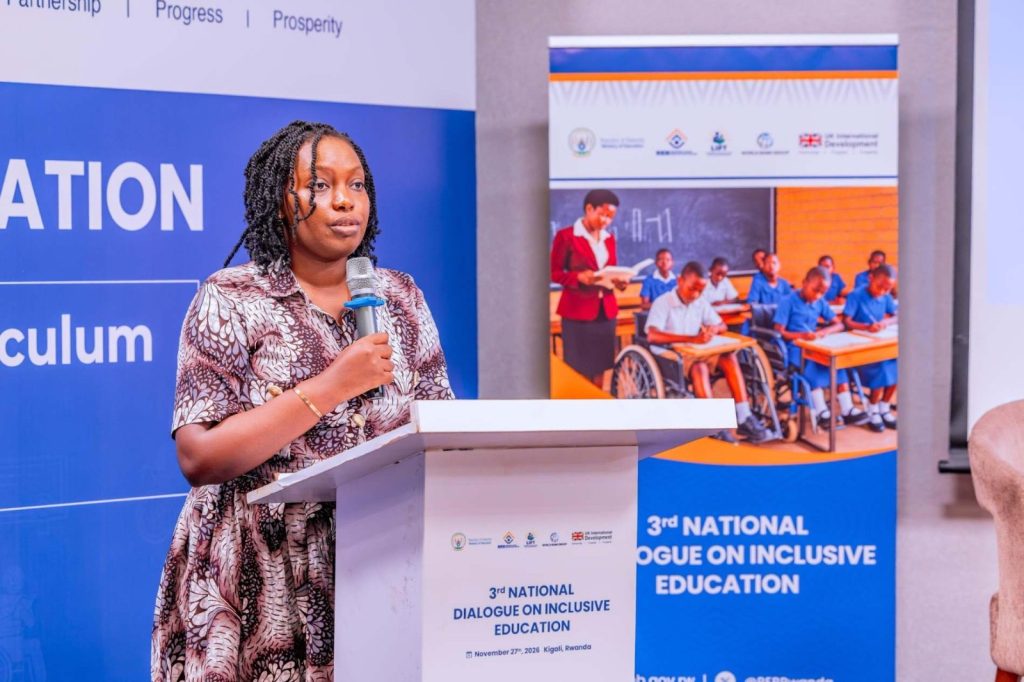
She said schools and communities should identify children with disabilities and ensure they receive appropriate assistance. She also stressed the importance of assessing each learner according to their abilities and encouraging families to send children with disabilities to school.
Mukanziza Venancie, a visually impaired woman working in the education sector, said government efforts had improved access to education, but some learners were still struggling.
She pointed particularly to children with intellectual disabilities, saying the ordinary curriculum was not suitable for all of them.
“Some categories still face challenges, especially those with intellectual disabilities. The ordinary curriculum is not something they can easily follow,” she said.
Twibanire Promesse, a learner with an intellectual disability at Ubumwe Community Center in Rubavu District, welcomed the proposed curriculum.
He said some learners had left school because they could not keep up with the pace of lessons, rather than because they were unable to learn.
“If they introduce it, it will help us a lot,” he said, adding that more vocational training should also be provided to young people with disabilities so they can use their skills to earn a living.
The government says it has increased efforts to prepare teachers and improve school facilities. Over the past five years, the number of trained teachers and other personnel supporting learners with disabilities rose from 10,699 to 18,281. A total of 3,439 schools across the country have basic facilities to support these learners.
Figures from the Ministry of Education for the 2024/2025 school year show that Rwanda had 43,663 learners with disabilities, accounting for 0.9 per cent of the country’s 4.8 million students.
More than 31,000 were attending primary school, 5,559 were in secondary school, 745 were enrolled in technical and vocational education, and 1,479 were studying in universities and other higher learning institutions.
The same report indicates that 68.8 per cent of schools have infrastructure that facilitates access for learners with disabilities. This leaves a significant proportion of schools needing improvements to make their facilities more accessible.
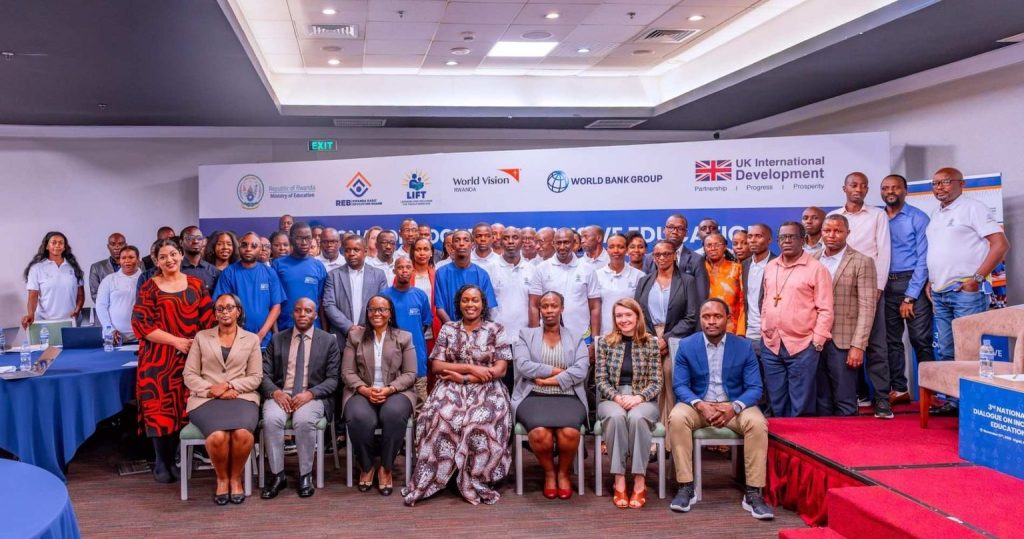
The proposed curriculum is expected to go beyond enrolling children with disabilities by giving them a better opportunity to participate in lessons, demonstrate what they know and develop their abilities.
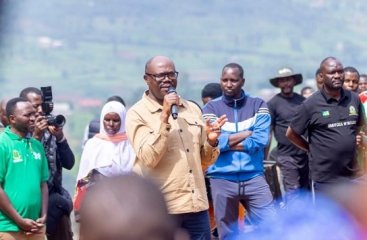
Prime Minister Justin Nsengiyumva has urged Rwandan households to plant fruit trees around their homes to improve (…)
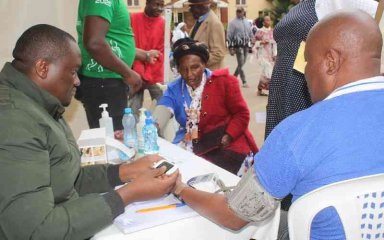
A diabetes diagnosis has cost one Rwandan man his job and relationship, exposing the social discrimination that (…)

Kiyovu Sports missed the opportunity to take points from Rayon Sports despite a stronger second-half performance, (…)
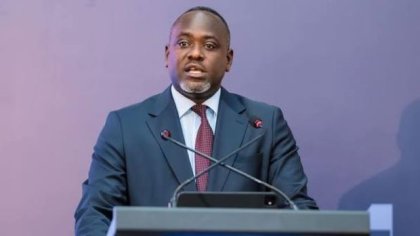
Minister of State in the Ministry of Infrastructure, Armand Zingiro, is expected to participate in an international (…)