
 RW
PM urges households to grow their own fruits as prices rise
Prime Minister Justin Nsengiyumva has urged Rwandan households to plant fruit trees around their homes to improve (…)

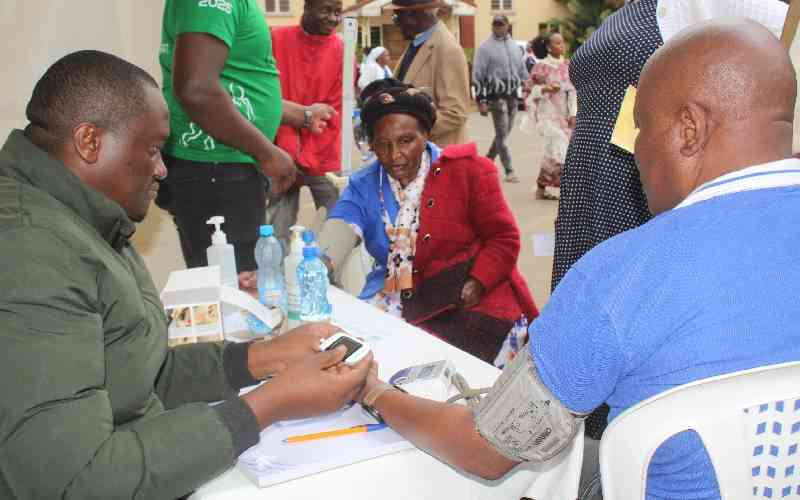
A diabetes diagnosis has cost one Rwandan man his job and relationship, exposing the social discrimination that patients say compounds the challenges of living with the condition.
The man, who has lived with diabetes for five years, said his employer dismissed him after discovering his illness. His fiancée also left him after hearing claims that people living with diabetes cannot have children.
"I lost my job because of diabetes. My fiancée also left me after learning about my condition and hearing those claims," he said.
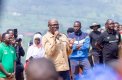
His experience reflects challenges discussed at a meeting held on November 27, 2026, where people living with diabetes and HIV called for better healthcare support, access to information and protection against discrimination.
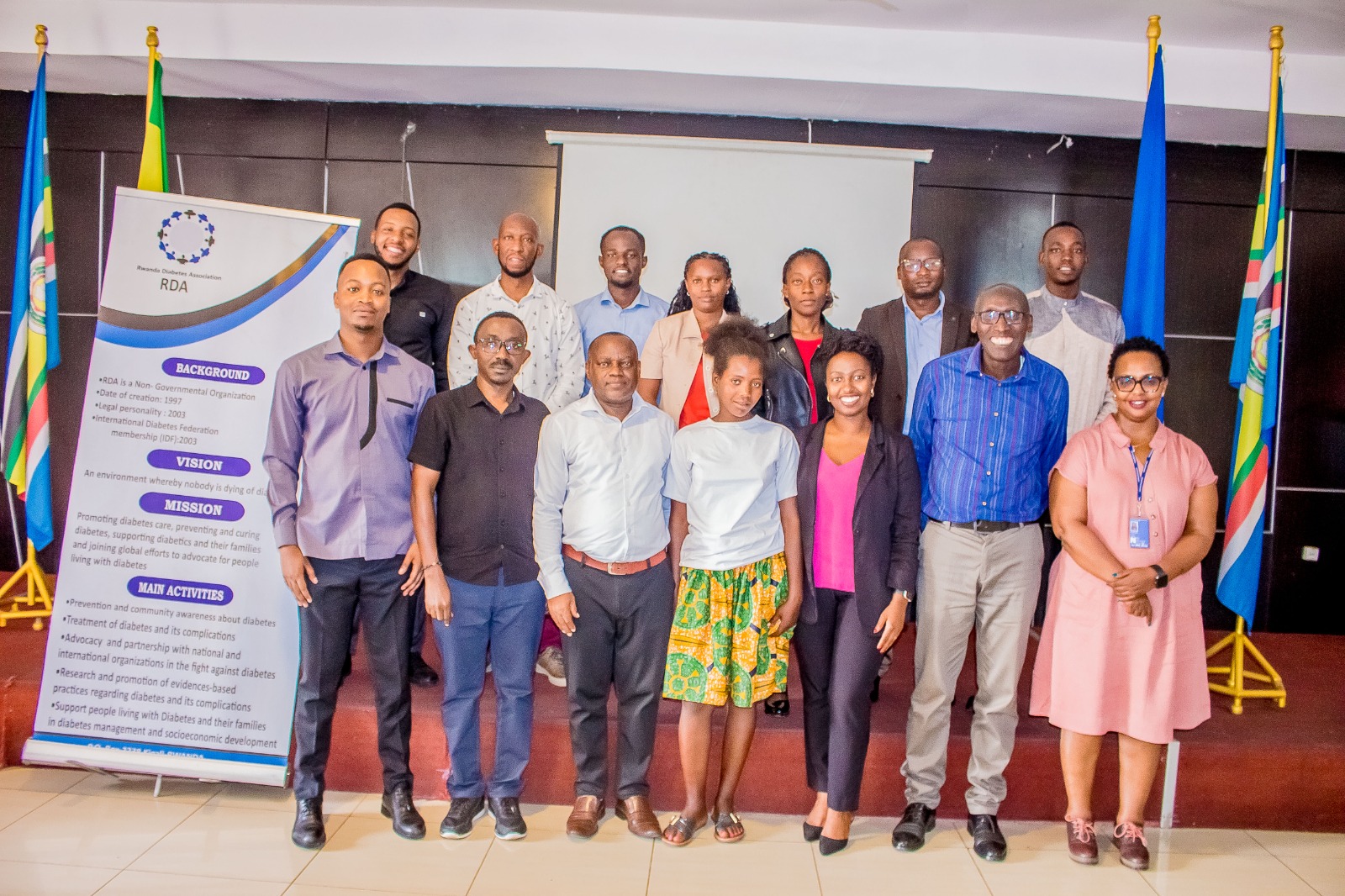
The meeting was organised by the Rwanda Diabetes Association (RDA) and the Rwanda Network of People Living with HIV (RRP+), with a focus on improving healthcare services for children, adolescents and young people.
Participants said young people aged between 10 and 24 face barriers including inadequate information about their conditions, fragmented healthcare services, stigma and breaches of confidentiality. These challenges can also contribute to mental health problems.
A 23-year-old man who has lived with diabetes for 10 years, identified as Ntakirutimana to protect his identity, said patients must learn to manage their conditions because they cannot rely solely on monthly hospital appointments.
He said patients need to understand how to take medication, monitor blood sugar levels and manage their diets to avoid complications.
Poor management, he warned, can lead to vision loss, amputations and wounds that are difficult to heal.
Etienne Uwingabire, coordinator of the Rwanda Diabetes Association, said families should also be educated to support patients in following medical advice outside healthcare facilities.
He said patients who lack self-care knowledge often struggle to maintain treatment routines after leaving hospital.
Jean Claude Habineza, an officer in the non-communicable diseases department at the Rwanda Biomedical Centre, said even patients who cannot read can receive help from relatives trained to interpret their health readings.
The 2025 Rwanda Demographic and Health Survey estimates HIV prevalence at 2.2% among people aged 15 to 49 and 0.8% among those aged 15 to 24.
Meanwhile, the International Diabetes Federation estimated that 130,800 adults aged 20 to 79 were living with diabetes in Rwanda in 2024, with 85.6% unaware of their condition.

Prime Minister Justin Nsengiyumva has urged Rwandan households to plant fruit trees around their homes to improve (…)

Some learners with disabilities in Rwanda struggle to remain in school because the teaching methods and curriculum (…)

Kiyovu Sports missed the opportunity to take points from Rayon Sports despite a stronger second-half performance, (…)
Minister of State in the Ministry of Infrastructure, Armand Zingiro, is expected to participate in an international (…)