Liberia looks to Rwanda’s digital governance model for public sector reform
Liberian government officials are in Rwanda this week to study digital governance systems that have helped (…)

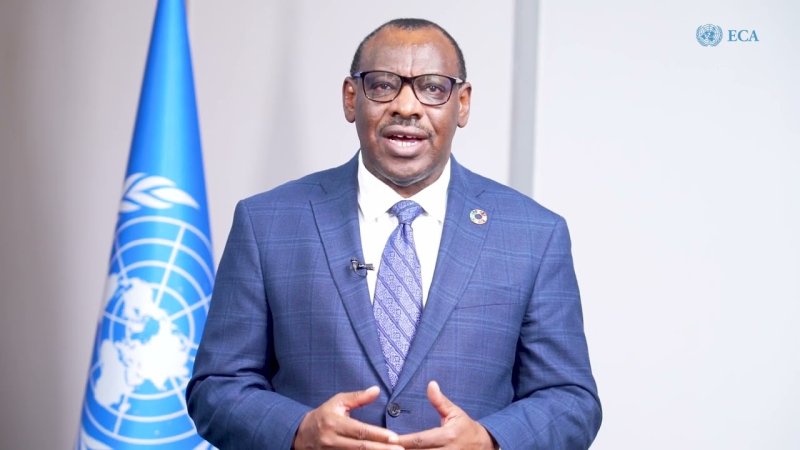
The head of the United Nations Economic Commission for Africa warned that the ongoing conflict in the Middle East is straining African economies, as rising fuel prices and disrupted trade routes weigh on growth across the continent.
Ambassador Claver Gatete, UNECA’s executive secretary, said continued instability in the region is driving up the cost of petroleum products, weakening national economies and complicating trade.
“The ongoing conflicts in the Middle East are affecting energy markets and trade in general, and they have significant consequences,” Gatete said.
He spoke during the 58th session of the Conference of African Ministers of Finance, Planning and Economic Development.
Gatete urged African governments to prioritize investments that improve living standards and build more resilient economies. He called for stronger efforts to accelerate sustainable development in response to recurring economic shocks.
Despite global uncertainty and widespread conflict, Gatete said new opportunities are emerging that Africa could leverage. He pointed to disruptions along key shipping routes such as the Strait of Hormuz, suggesting the continent could position itself as an alternative trade corridor connecting global markets.
He emphasized that economic policies — including public spending, borrowing and investment — should focus on transformative change that benefits citizens directly. Increasing investment alone is not enough, he said, stressing the need to improve the quality and competitiveness of projects.
Gatete also highlighted the importance of aligning financial systems with technological advancement, innovation and structural reforms.
Economists say the conflict is having a particularly strong impact on East and Southern African countries, which import about 75% of their petroleum products from the Middle East. If disruptions persist, countries in the region may be forced to seek alternative energy sources.
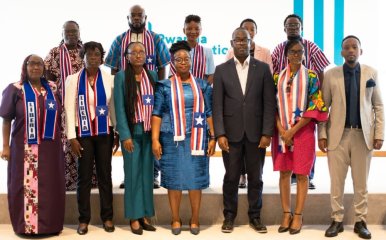
Liberian government officials are in Rwanda this week to study digital governance systems that have helped (…)
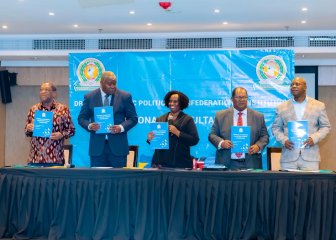
Rwanda has pledged continued support for East African integration as the East African Community (EAC) begins public (…)

Rwanda plans to spend about 9.8 billion Rwandan francs ($6.7 million) to restore sections of Nyungwe National Park (…)

More than 40,000 students, teachers and other education stakeholders in Rwanda are expected to be trained in digital (…)